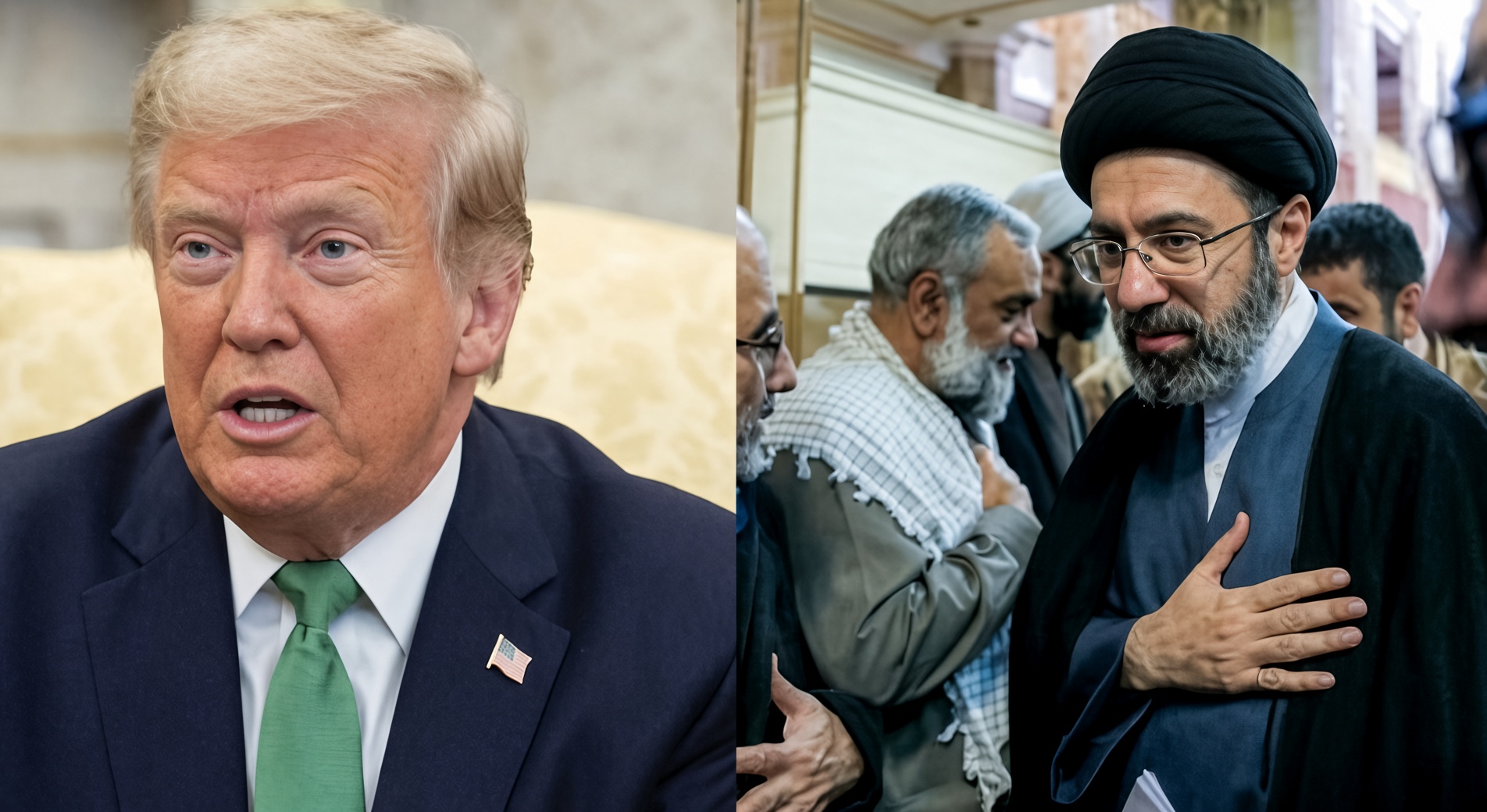
President Donald Trump has claimed that he personally intervened to prevent a wider military confrontation between Israel and Hezbollah, saying he spoke directly with Israeli Prime Minister Benjamin Netanyahu and pressed for restraint as tensions continued to rise in the region.
In a social media post, Trump said his intervention resulted in assurances that Israel would not send ground troops into Beirut. His comments came after reports that Netanyahu had called for renewed Israeli strikes against areas of southern Beirut, raising concerns that the latest escalation could undermine efforts to maintain a fragile ceasefire and push the conflict into a broader phase. Trump also said Hezbollah had agreed to stop attacks against Israel following discussions carried out through intermediaries. The claims came as diplomatic efforts continued behind the scenes to prevent renewed fighting and turn the existing ceasefire into a more durable regional peace agreement.
The situation has added another layer of uncertainty to already complicated negotiations involving Iran and other regional actors. According to ABC News, the latest developments occurred as officials worked to transform the current ceasefire arrangement into a broader agreement designed to reduce the risk of further escalation and establish longer-term stability. Earlier Monday, reports that Iran had halted communications fueled concerns that diplomatic efforts could be breaking down.
Diplomatic Efforts Face Setbacks
Any interruption in talks could make it more difficult for negotiators to resolve outstanding disagreements, particularly as military tensions remain elevated across the region. The diplomatic uncertainty also comes as international attention remains focused on the Strait of Hormuz, one of the world’s most strategically important waterways. The narrow passage serves as a major route for global energy shipments, with a significant share of the world’s oil exports moving through the strait.
Any prolonged disruption to shipping through Hormuz could have consequences far beyond the Middle East, potentially affecting oil prices, global energy supplies and international trade. Governments and financial markets have therefore been closely watching developments in the region for signs of whether tensions are moving toward de-escalation or another period of military confrontation. Reopening the Strait and reaching a lasting diplomatic agreement with Iran could have broad economic and geopolitical consequences.
The Stakes for Global Markets
A successful deal could help stabilize energy markets, reduce pressure on international shipping routes and create an opportunity for wider negotiations over regional security. For now, however, the diplomatic process remains fragile. Trump’s claims of direct involvement, Israel’s military posture, Hezbollah’s reported commitment to halt attacks and the uncertainty surrounding Iran’s communications all point to a rapidly changing situation. The coming days could prove critical as negotiators attempt to preserve the ceasefire, prevent another escalation and determine whether the region can move toward a broader and more lasting peace agreement.