President Donald Trump has warned that the United States could expand military operations against Iran’s energy infrastructure if Tehran fails to reach an acceptable agreement soon, while simultaneously signaling that negotiations could produce a deal.
In a Truth Social post, Trump said the United States was engaged in discussions with what he described as a “new, and more reasonable” Iranian regime. He said progress had been made toward an agreement but warned that, if no deal is reached and the Strait of Hormuz is not fully reopened, the United States could target Iranian power-generation facilities, oil infrastructure and Kharg Island. He also mentioned the possibility of strikes against desalination facilities.
Trump framed the threat as retaliation for American military casualties and what he described as decades of Iranian aggression.
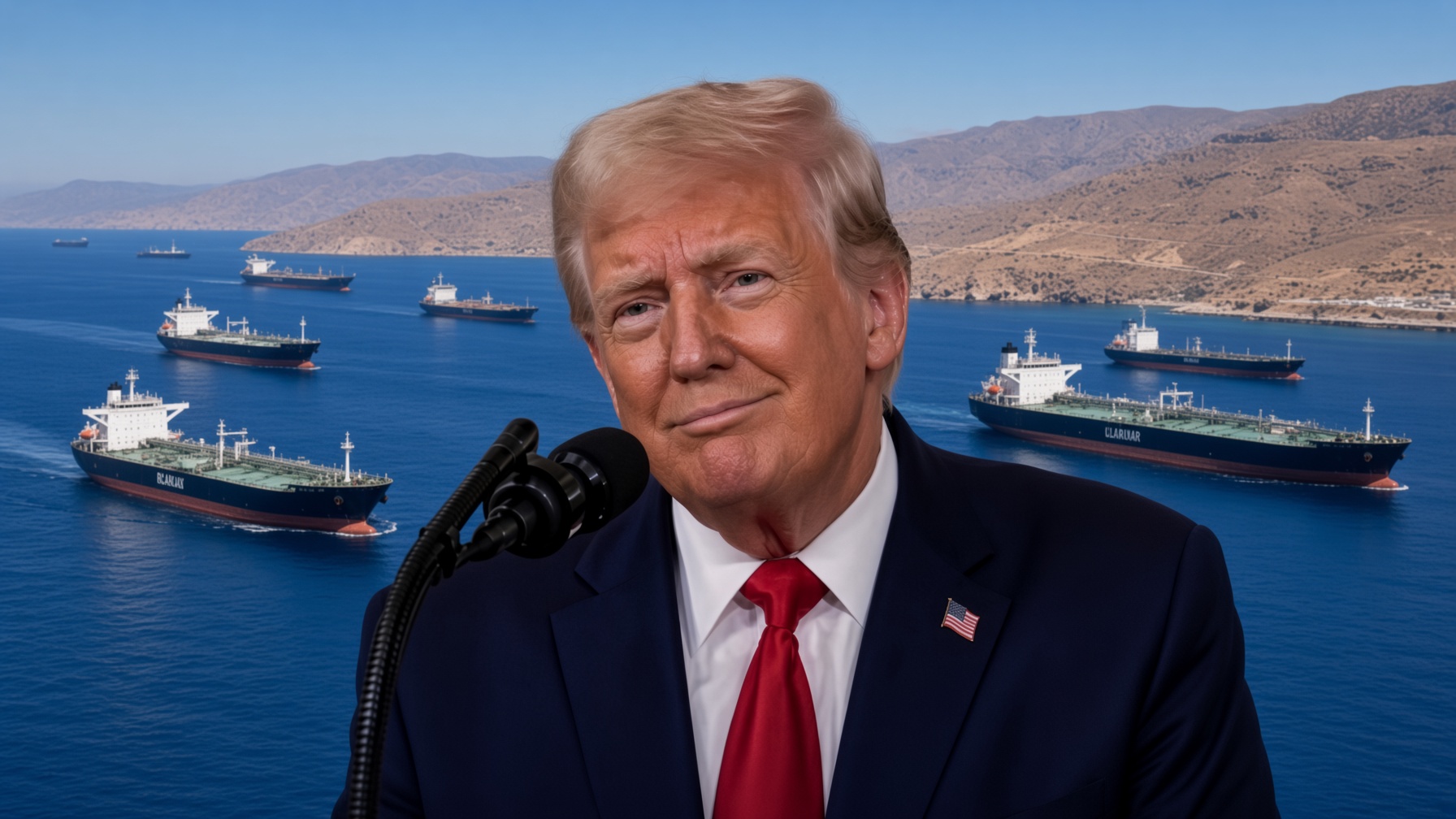
The warning comes amid continuing U.S.-Iran tensions surrounding the Strait of Hormuz, a crucial global energy route. Recent reporting indicates that commercial traffic through the waterway has been disrupted, while U.S. forces have conducted operations aimed at protecting shipping and countering Iranian threats.
Secretary of State Marco Rubio has previously said the U.S. operation could conclude within “weeks, not months,” arguing that American forces were ahead of schedule in achieving their stated objectives. Rubio also said Washington had received indications that Iranian officials were willing to discuss negotiations, although uncertainty remained over who would represent Tehran and what issues would be addressed.
Negotiations and the Path Toward a Deal
The Trump administration has continued to signal that diplomacy remains possible alongside military and economic pressure. Special envoy Steve Witkoff has described a proposed framework for ending the conflict, while Trump has previously indicated that military action could be paused if negotiations produce meaningful commitments from Tehran.
The Strait of Hormuz remains central to those discussions. The Trump administration has said U.S. forces have cleared mines from international shipping lanes and helped restore commercial traffic, while Iran has continued to challenge U.S. claims and maintain pressure around the waterway.
The situation has nevertheless remained volatile. On August 31, Trump claimed that Kharg Island was being heavily attacked, although Reuters reported that there was no immediate confirmation from the White House, Pentagon or Iranian authorities supporting that specific claim.
More recently, U.S. forces carried out strikes against Iranian rocket launchers near the Strait of Hormuz after Washington said Iranian forces posed a threat to international shipping. Iran subsequently launched missiles toward U.S. positions in Jordan, escalating tensions once again.
Rising Regional and Energy Risks
The confrontation has significant consequences beyond the immediate conflict. The Strait of Hormuz is one of the world’s most important energy chokepoints, and disruptions there can quickly affect oil markets, shipping costs and global energy supplies.
As of September 2026, fighting and threats to shipping remain ongoing. Reuters reported that renewed attacks involving Iran-backed forces have contributed to higher oil prices and additional disruption at regional energy facilities.
For Washington and Tehran, the central question remains whether military pressure and economic restrictions will produce a negotiated settlement—or whether continued escalation will push the conflict into another phase.