Trump’s Latest Cognitive Test Draws Renewed Attention as Details of His Medical Exam Are Discussed
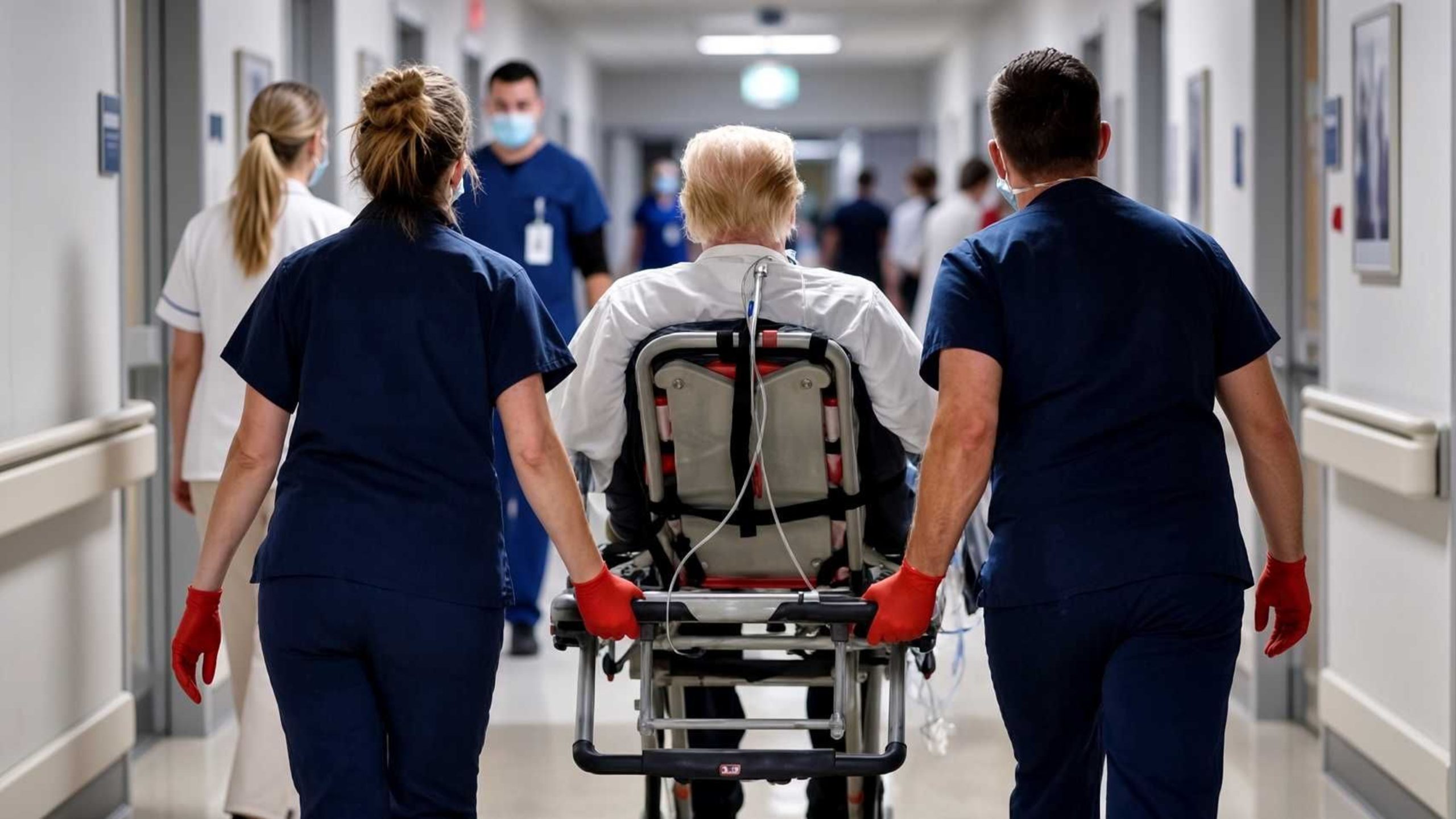
President Donald Trump’s latest medical examination has renewed public discussion about cognitive testing and presidential health disclosures. According to reporting on his most recent physical, Trump underwent a scheduled examination at Walter Reed National Military Medical Center in May 2026. The White House subsequently described him as being in excellent health. (Reuters)
Trump has also publicly discussed the cognitive portion of his medical evaluation. In a July statement, he said he had requested another cognitive test and claimed that he answered every question correctly. Reporting indicates that the assessment used was the Montreal Cognitive Assessment (MoCA), a 30-question screening tool commonly used to identify possible mild cognitive impairment and early-stage dementia. (People.com)
The cognitive testing has become part of a broader conversation surrounding medical transparency for presidents. While presidential health information is routinely released to the public to varying degrees, there is no single standardized federal requirement that determines exactly how much medical information a president must disclose. As a result, questions about what should be made public often emerge whenever a president undergoes a physical examination or cognitive screening.
Trump has emphasized the results of his testing in public comments, presenting them as evidence supporting his claims about his cognitive abilities. At the same time, outside observers have questioned whether the public should receive more detailed medical documentation rather than relying primarily on statements from the president or White House officials. The Washington Post previously reported that independent physicians had raised questions about aspects of the administration’s health disclosures, while noting that such observations do not themselves establish a medical diagnosis. (The Washington Post)
It is also important to distinguish between a cognitive screening test and a comprehensive neurological evaluation. A screening assessment can provide information about certain areas of cognitive function, but its results should be interpreted within the broader context of a person’s medical history and examination.
The issue therefore extends beyond Trump himself and reflects a longstanding debate over presidential medical privacy. Americans have an interest in understanding the health of people serving in the highest elected office, while presidents also retain legitimate medical privacy interests.
For now, publicly available reporting confirms that Trump underwent a physical examination and cognitive screening and that he has described the results positively. Detailed independent medical records, however, have not been publicly released in full. (People.com)
Public Discussion and Policy Questions
The announcement has sparked renewed public discussion about the health and fitness of political leaders, a topic that has long been a point of interest among voters and analysts alike. In the United States, presidential health disclosures are not strictly standardized, leaving room for interpretation and debate. As conversations continue, experts highlight the importance of balancing personal medical privacy with the public’s interest in the well-being of those in positions of power.