A major military escalation between Israel and Iran is drawing global attention, marking one of the most significant developments in the region in decades.
A major military escalation between Israel and Iran is drawing global attention, marking one of the most significant developments in the region in decades. For years, tensions have been building over concerns about Iran’s nuclear program. Diplomatic efforts, intelligence operations, and limited strikes had aimed to contain the situation-but that approach has now shifted.
On February 28, 2026, everything changed. Israel, with support from the United States, launched a large-scale military campaign targeting multiple locations across Iran. The operation included coordinated airstrikes on military infrastructure, missile systems, and key strategic sites. A strike in Tehran resulted in the death of Iran’s Supreme Leader, a development that sent shockwaves across the region and beyond.
Military Operations and Humanitarian Crisis
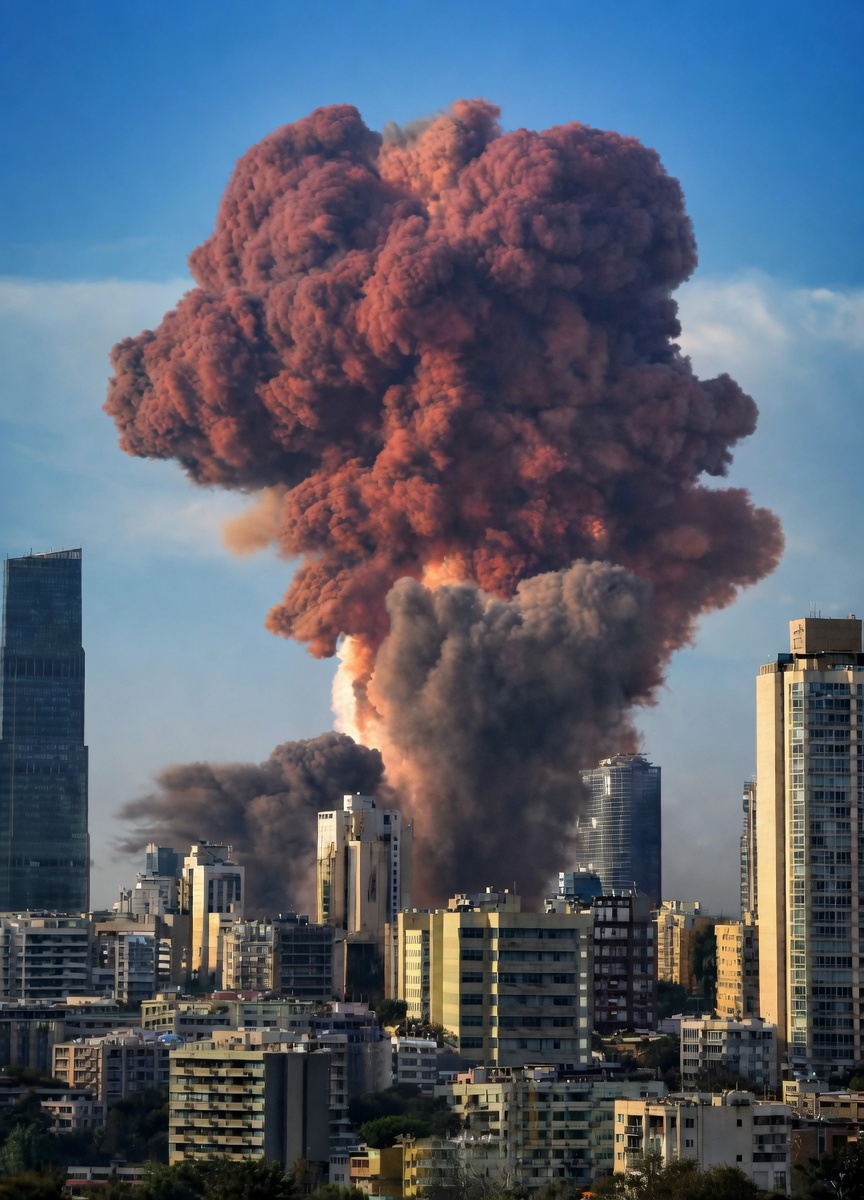
The impact of that event alone reshaped the political and military landscape almost instantly. Thousands of strikes have been reported across the country, affecting both military targets and critical infrastructure. Energy facilities, including oil and gas sites, were hit-leading to rising global energy concerns and economic ripple effects. Reports indicate thousands of casualties, including civilians, along with widespread damage to homes, hospitals, and public infrastructure.
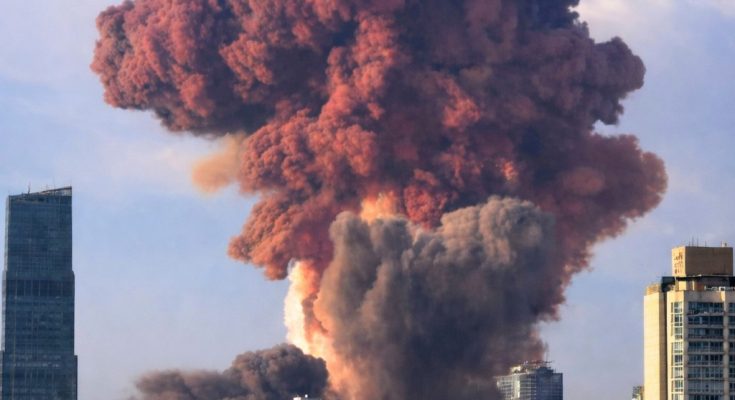
These developments have raised serious humanitarian concerns worldwide. Missile strikes targeting Israeli territory have followed, with defense systems intercepting many-but not all-of the attacks. Some strikes have caused damage and loss of life, adding to the growing tension.
Regional Escalation and Global Response
The situation is no longer limited to one area. Fighting has also intensified in neighboring regions, including Lebanon, increasing instability and displacing large numbers of civilians. Some countries have supported the actions, while others have called for restraint and questioned the legality of the operation. Global leaders continue to urge de-escalation as the situation develops.
This conflict has already reshaped the balance of power in the Middle East-and its consequences are likely to be felt far beyond the region.