
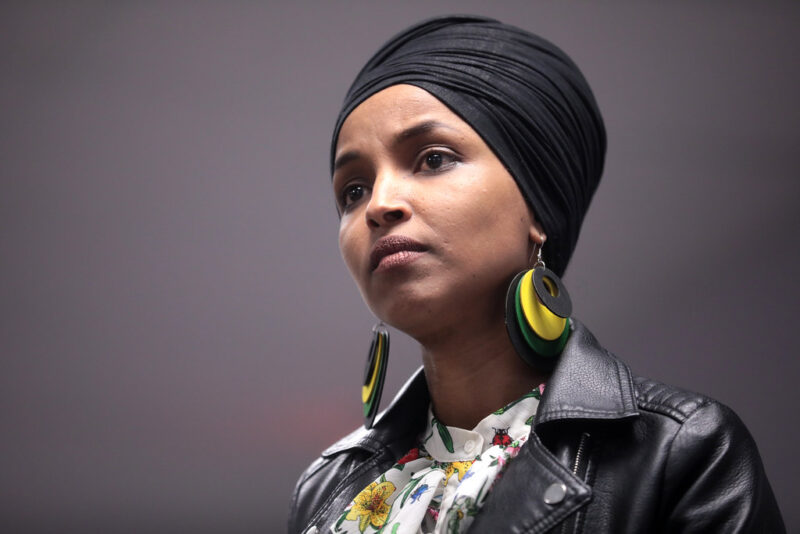
Ilhan Omar’s been the subject of a lot of scandals recently, including a major revision to her financial disclosures that simply doesn’t make sense to anyone. When asked about how her net worth went from $30 million to $95,000 due to an “error”, Omar got touchy. Just days after this updated disclosure, the LLC affiliated with Omar’s winery was dissolved, too.
Omar claims these questions about her finances are a “coordinated right-wing disinformation campaign,” because of course she’d say that. But think about it: If that were so, why not publicly answer questions about all of this and do so before these committees to clear her name?
But that won’t happen right away. Minnesota Democrats are circling the wagons around this marriage fraudster by blocking a subpoena that would have forced Omar to hand over documents to the state House Fraud Prevention and State Agency Oversight Policy Committee.
The Domestic Terrorist Party would rather protect fraud – which is theft of tax money from their constituents as well as GOP constituents – like they protect illegal aliens because both help them hang onto power.
Dear Americans, this shirt is for you!
It comes in mens and womens and lets your friends know you’re happy to express your views and don’t care what anyone thinks! Cheers!
It absolutely is time for the feds to go after this woman. Enough is enough; Democrats won’t do the right thing because they never do the right thing if it will cost them even a smidge of power and control.
US Economy Added 115,000 Jobs In April, Beating Expectations
The U.S. economy added jobs in April at a slow pace, with anxiety over how unrest in the Middle East will affect the labor market. Employers gained 115,000 jobs in April, the Bureau of Labor Statistics announced Friday. The statistic is better than the forecasts of economists polled by LSEG, who were expecting a growth of 62,000 jobs.
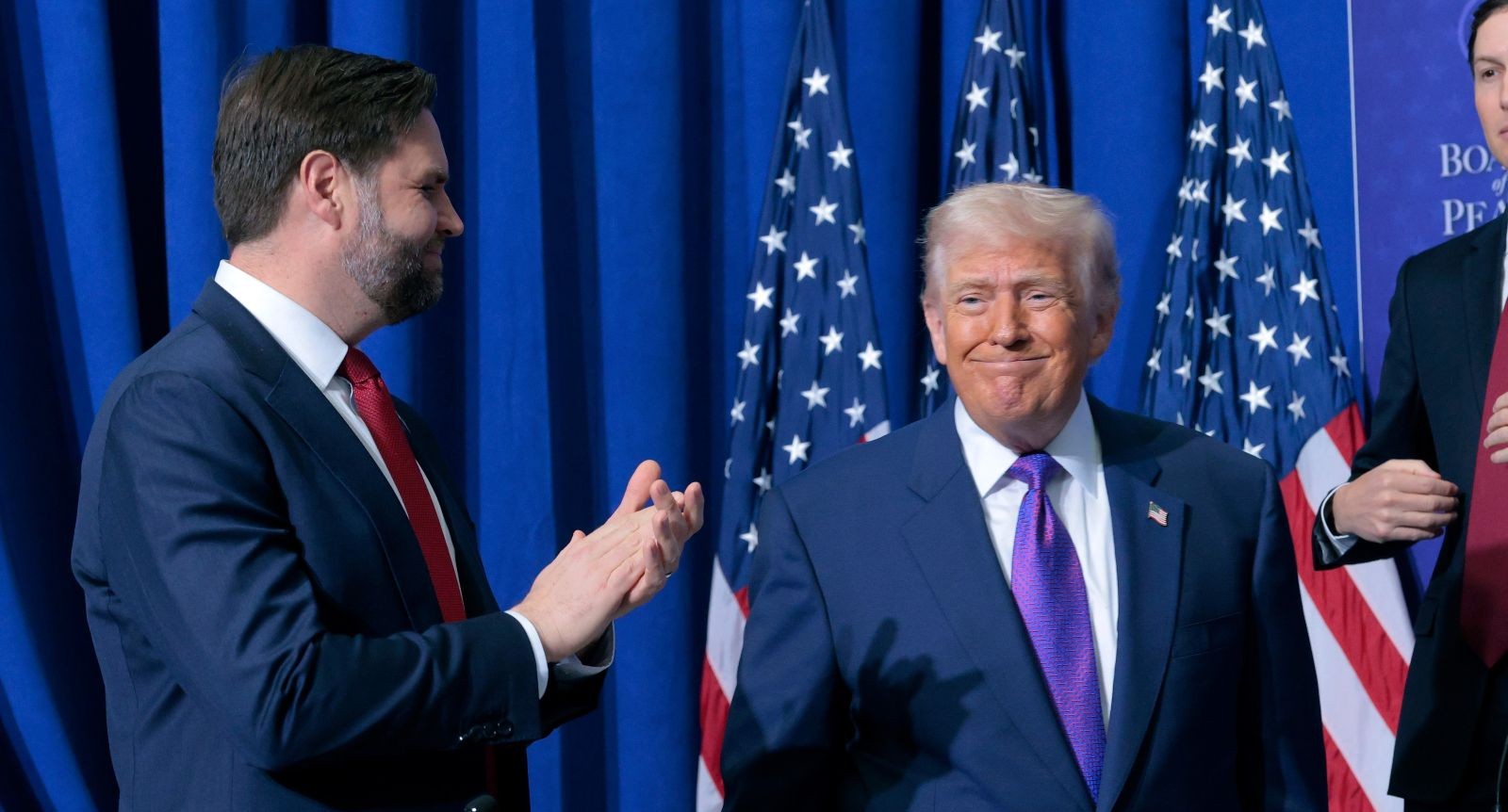 The unemployment rate stayed unchanged at 4.3%, in line with the estimates of LSEG economists. The payroll figures for the past two months were amended, with February reduced by 23,000 from a loss of 133,000 to a decrease of 156,000. March’s report was revised up by 7,000 from a gain of 178,000 to 185,000.
Over the two months, the jobs created were 16,000 fewer than initially estimated.
The private sector added 123,000 jobs in April, far above the LSEG poll’s forecast of 75,000. The 186,000 jobs increase in March was also revised up to 190,000 jobs.
Government payrolls lost 8,000 positions in April. The federal government’s workforce shed 9,000 jobs during the month, somewhat offset by an increase of 1,000 jobs in state government. Local government employment showed little change for the month.
Economists polled by LSEG had forecast an increase of 5,000 jobs, while the manufacturing sector lost 2,000 positions in April.
The U.S. economy added 178,000 jobs in March, according to the Bureau of Labor Statistics, exceeding expectations and rebounding from a revised decline of 133,000 in February that was attributed in part to a large healthcare strike.
Economists note that the headline figure may not fully capture the strength of the report. The break-even rate of job growth—the number of jobs needed each month to keep the unemployment rate stable—has declined to near zero, according to analyses from the Federal Reserve Bank of Dallas and the Federal Reserve Board of Governors.
A framework updated March 31 by Dallas Fed economists Anton Cheremukhin, Daniel Wilson, and Xiaoqing Zhou attributes much of the decline to shifts in immigration patterns. Their analysis found that net unauthorized immigration averaged a monthly decrease of about 55,000 in the second half of 2025, totaling roughly a 548,000 decline for the year—exceeding earlier projections by the Congressional Budget Office, Breitbart News reported.
As a result, the break-even rate of employment growth fell to around 10,000 jobs per month by mid-2025 and dropped below zero later in the year, averaging approximately negative 3,000 per month between August and December.
A recent analysis by staff economists at the Federal Reserve Board of Governors reached similar conclusions using a separate framework, estimating that weak population growth and declining labor force participation could reduce the number of jobs needed to stabilize the unemployment rate to fewer than 10,000 per month in 2026. The economists described the trend as “unprecedented in recent history,” lower than at any point in the past 65 years, including during the pandemic, Breitbart added, citing the reports.
The analysis also suggested that the Bureau of Labor Statistics may be overestimating population growth for 2026. Current projections from the U.S. Census Bureau assume net immigration will increase the population by about 320,000 this year. However, the Brookings Institution estimates net immigration could range from a decline of 925,000 to a gain of 185,000.
Using the midpoint of that range would imply population growth below 0.2 percent, suggesting that even near-zero estimates for job growth needed to maintain stable unemployment could be overstated.
Economists noted that under these conditions, monthly payroll changes could fluctuate more widely, with both gains and losses possible even if the broader economy remains stable, Breitbart said.
“The establishment survey tells a strong story. Private payrolls expanded by 186,000 workers. Healthcare bounced back with 76,000 workers returning to payrolls as the strike ended. Construction added 26,000 workers. Manufacturing gained 15,000, all in durables,” the outlet’s report continued.
“The diffusion index jumped to 56.8 from 49.2, indicating that payroll gains broadened well beyond the healthcare rebound. Federal government payrolls continued to decline, falling by 18,000, bringing the total reduction since the October 2024 peak to 355,000 or 11.8 percent. The unemployment rate fell to 4.3 percent from 4.4 percent,” it added.
Breitbart concluded: “Wages rose 0.2 percent on the month and 3.5 percent over the year, continuing to beat inflation. But average weekly earnings actually ticked down because the average workweek fell from 34.3 to 34.2 hours — firms are adding workers to payrolls but trimming hours, the signature of an employer class that faces a tight labor supply but remains cautious about demand.”
Supreme Court Allows Federal Challenge To New Jersey Donor Subpoena
The U.S. Supreme Court ruled unanimously that a New Jersey pregnancy center can challenge a state subpoena seeking its donor information, marking a significant First Amendment decision. The ruling allows the case to proceed in federal court and sends it back to lower courts for further review.
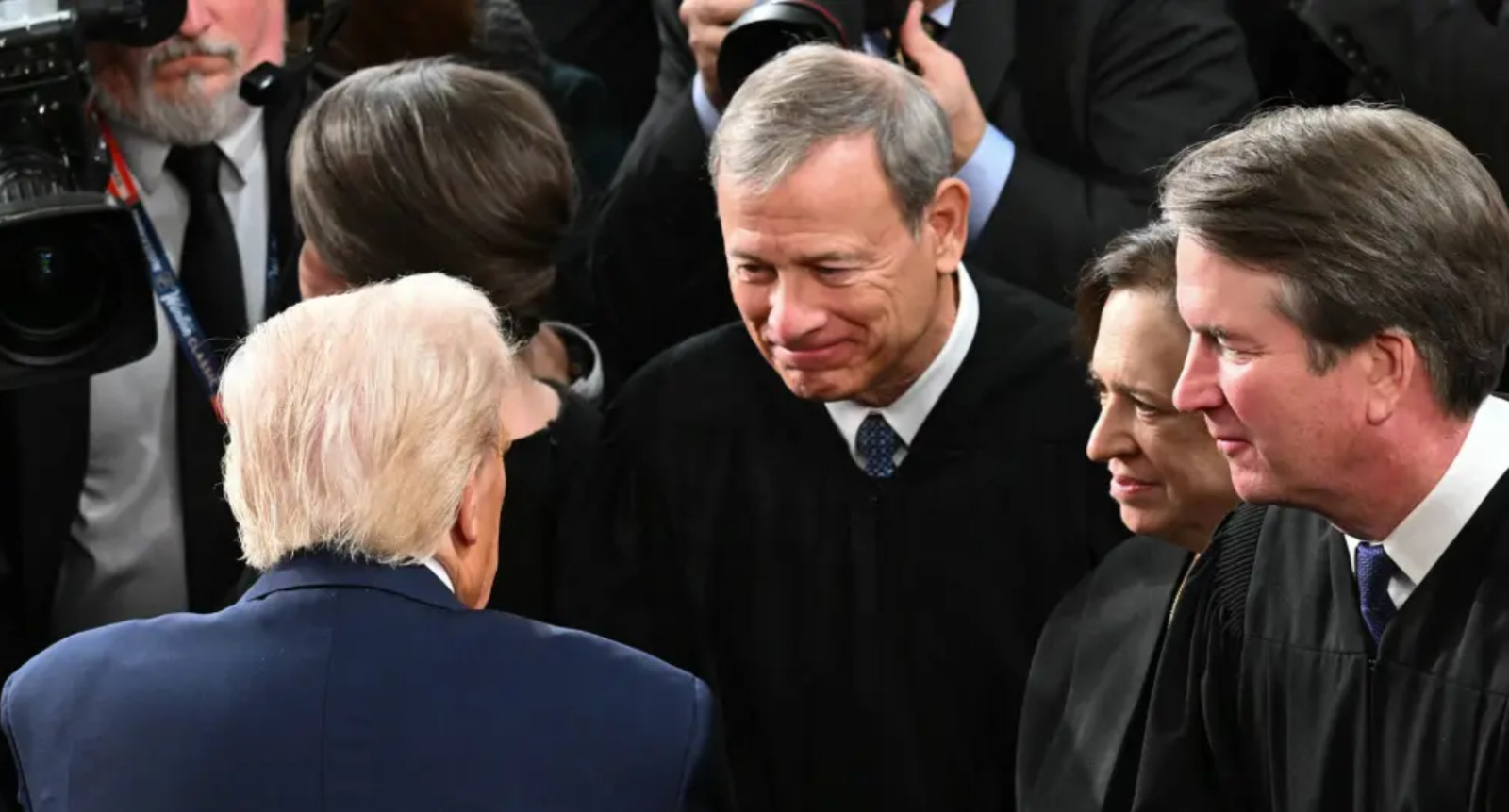 In a 9-0 opinion, Justice Neil Gorsuch said the subpoena raised serious constitutional concerns involving freedom of association. The demand for records was issued by New Jersey officials as part of an investigation tied to a “Reproductive Rights Strike Force.”
“The First Amendment guarantees all Americans the rights to speak, worship, publish, assemble, and petition their government freely,” Gorsuch wrote. “Each of these rights necessarily carries with it ‘a corresponding right to associate with others.’”
Gorsuch emphasized that the court has long recognized the importance of protecting associational rights, particularly for groups expressing minority or dissenting viewpoints. He said those protections are critical in preventing government actions that could suppress lawful advocacy.
“This Court has long held that ‘compelled disclosure of affiliation with groups engaged in advocacy may constitute as effective a restraint on freedom of association’ as more direct forms of suppression,” he wrote.
He added that privacy plays a central role in protecting those rights. He said government efforts to obtain donor information can deter individuals from supporting organizations engaged in constitutionally protected speech.
“Official demands for private donor information ‘inevitabl[y]’ carry with them a ‘deterrent effect on the exercise of First Amendment rights,’” Gorsuch wrote.
The case centers on First Choice Women’s Resource Centers, a pro-life pregnancy center that has operated in New Jersey since 1985.
In 2023, New Jersey Attorney General Matt Platkin issued a sweeping subpoena to the organization. The request sought 10 years of records, including donor identities, internal communications, advertisements, and information about affiliated groups.
Alliance Defending Freedom, which represented First Choice, said the subpoena was issued without evidence of wrongdoing. The group argued the demand was driven by disagreement with the organization’s views.
“Attorney General Platkin did not cite any complaints or evidence that First Choice had violated New Jersey law,” the group said.
The center complied in part, producing more than 2,000 pages of documents. However, it filed a federal lawsuit seeking to block further disclosure, arguing the remaining requests violated the First
Attorneys for the organization said forcing disclosure of donor identities would chill speech and discourage support. They argued that individuals have a constitutional right to privately associate with advocacy groups without fear of government exposure.
The legal dispute became more complex when the state filed its own lawsuit in state court to enforce the subpoena. That led lower federal courts to conclude that First Choice should pursue its claims in state court before seeking federal relief.
The Supreme Court rejected that approach and ruled that the organization can proceed directly in federal court. The decision clarifies that plaintiffs alleging constitutional violations do not have to exhaust state court remedies first.
Gorsuch said the organization had demonstrated a present injury tied to its First Amendment rights. He wrote that government demands for donor information can themselves constitute a constitutional harm.
“An injury in fact arises when a defendant burdens a plaintiff’s constitutional rights, and government demands for a charity’s private donor information have just that effect,” he wrote.
The court’s ruling does not determine whether the subpoena is ultimately lawful. Instead, it allows the constitutional challenge to move forward in federal court, where the underlying issues will be examined more fully.
Gorsuch concluded that compelled disclosure can have far-reaching consequences beyond a single case. He warned that such actions can pressure organizations to scale back or alter their activities.
“Such demands inevitably discourage association with groups engaged in protected First Amendment advocacy and encourage groups to cease or modify protected advocacy the government disfavors,” he wrote.