In a landmark 6-3 decision Tuesday, the U.S. Supreme Court ruled that state prison officials cannot be held personally liable for monetary damages under the Religious Land Use and Institutionalized Persons Act (RLUIPA), a federal law passed under Congress’s spending power to safeguard religious exercise behind bars.
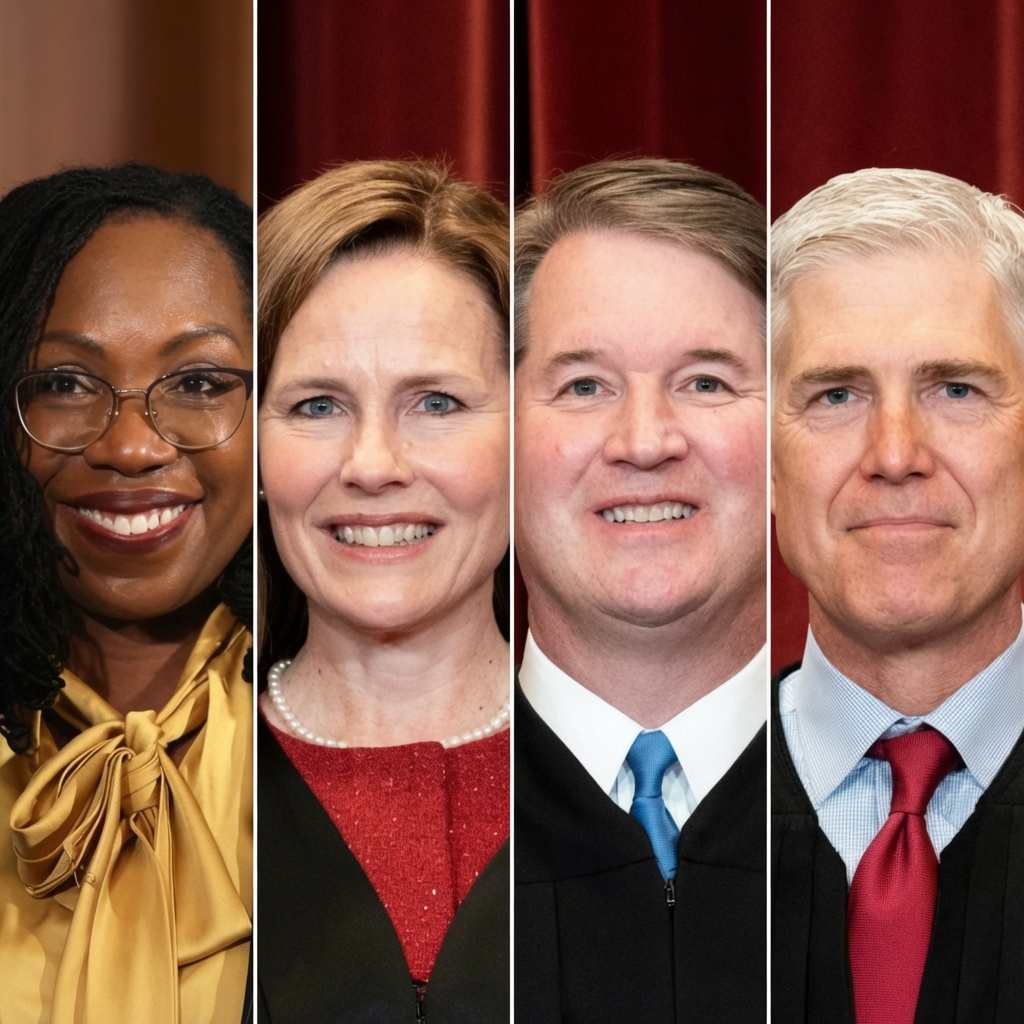
The ruling in Landor v. Louisiana Department of Corrections and Public Safety reinforces constitutional boundaries on federal authority while preserving robust avenues for protecting faith in America’s prisons. Justice Neil Gorsuch authored the majority opinion, joined by Chief Justice John Roberts and Justices Clarence Thomas, Samuel Alito, Brett Kavanaugh, and Amy Coney Barrett. The Court affirmed the Fifth Circuit’s dismissal of individual-capacity claims brought by former inmate Damon Landor, a Rastafarian who alleged prison officials violated his religious rights by shaving his dreadlocks shortly before his release.
Landor’s case stemmed from a 2020 incident at Louisiana’s Raymond Laborde Correctional Center. As a devout Rastafarian adhering to a Nazirite vow not to cut his hair, Landor had previously been allowed to maintain his dreadlocks at other facilities. When transferred, he presented officials with a copy of a controlling Fifth Circuit decision confirming that Louisiana’s grooming policy burdened his religious exercise under RLUIPA. According to court filings, officials discarded the document, restrained him, and forcibly shaved his head – an action Landor described as a profound violation of his faith.
Religious Freedom Clash at Supreme Court
Landor sued the Louisiana Department of Corrections and Public Safety, Secretary James LeBlanc, the correctional center, and Warden Marcus Myers under RLUIPA and other claims, seeking money damages from the officials in their personal capacities. Lower courts dismissed those individual claims, citing precedent that RLUIPA – enacted as a condition on federal prison funding – does not expose state employees to personal financial liability absent their knowing consent. Writing for the majority, Justice Gorsuch emphasized a bedrock principle of constitutional law: When Congress acts under the Spending Clause, it may attach conditions to federal funds, but it cannot unilaterally create personal liability for state actors without clear, voluntary acceptance of those terms.