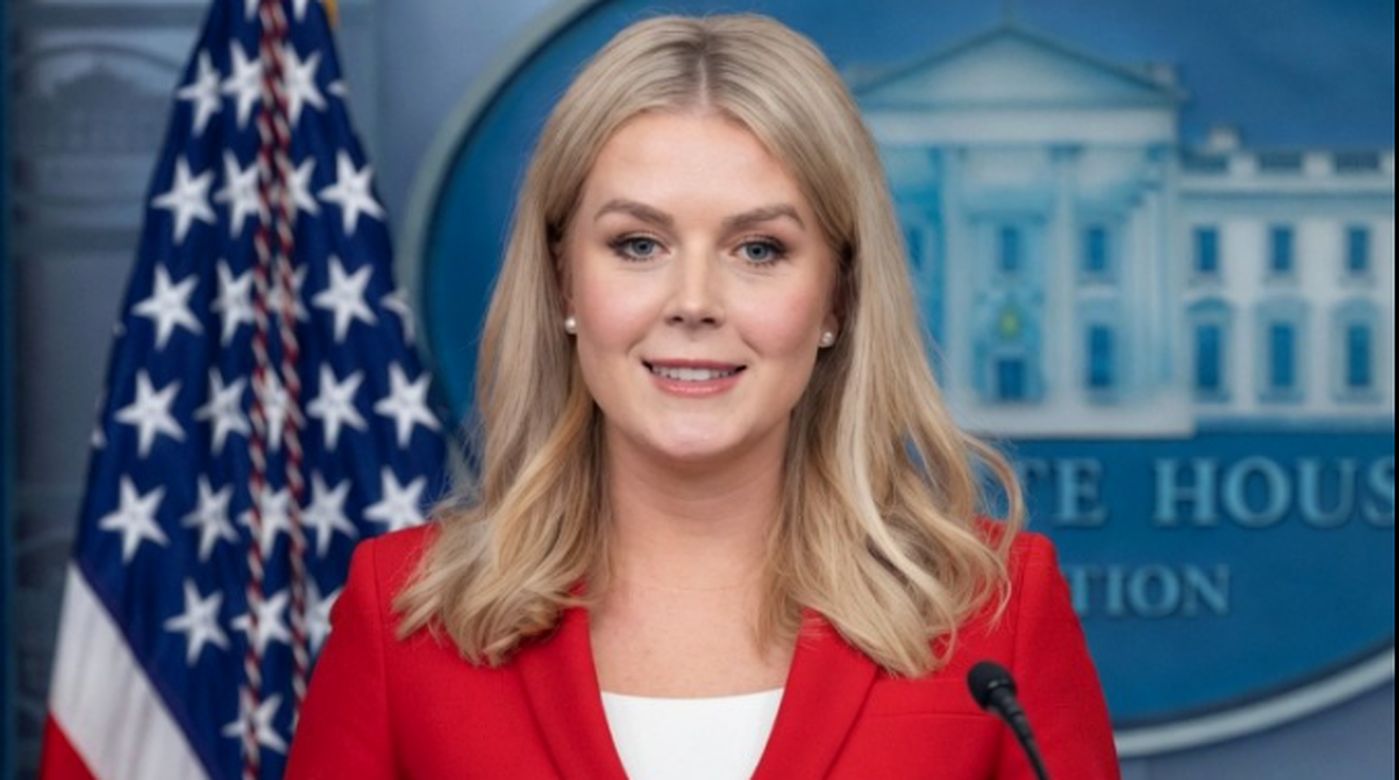
Cameron Hamilton, the acting head of the Federal Emergency Management Agency (FEMA), was dismissed after publicly testifying before Congress in opposition to the elimination of the agency, directly contradicting President Trump’s efforts to diminish FEMA’s role and transfer disaster relief responsibilities to state governments.
Hamilton’s removal was swiftly confirmed by the administration, with David Richardson was dismissed after publicly testifying before Congress in opposition to the elimination of the agency, directly contradicting President Trump’s efforts to diminish FEMA’s role and transfer disaster relief responsibilities to state governments. Hamilton’s removal was swiftly confirmed by the administration, with David Richardson, a longtime FEMA official, being named as the interim replacement.
Administration Pushes Forward With FEMA Overhaul
The Trump administration has dismissed Cameron Hamilton from his position as acting administrator of the Federal Emergency Management Agency (FEMA) after he publicly testified before Congress that he did not support eliminating the agency. His testimony contrasted with President Donald Trump’s broader vision of reducing FEMA’s role and shifting greater responsibility for disaster preparedness and response to state governments.
Administration officials confirmed Hamilton’s departure shortly after his congressional appearance and announced that David Richardson, a longtime FEMA official, would serve as the agency’s interim leader while the administration continues to implement its emergency management agenda. The leadership change highlights the administration’s commitment to pursuing reforms that would significantly reshape the relationship between the federal government and the states during natural disasters and other large-scale emergencies.
The administration has argued that states are often best positioned to understand the unique needs of their communities and should play a larger role in disaster planning, response, and recovery. Supporters of the proposal contend that reducing federal involvement would encourage states to strengthen their own emergency management capabilities, improve efficiency, reduce bureaucratic delays, and provide taxpayers with a more cost-effective disaster response system. They argue that FEMA should focus primarily on coordinating assistance during the most catastrophic disasters rather than serving as the primary responder for a broad range of emergencies.
Critics, however, have raised concerns about the proposal, arguing that many states lack the financial resources, personnel, and logistical capacity to independently manage large-scale disasters such as major hurricanes, widespread flooding, devastating wildfires, or catastrophic tornado outbreaks. They contend that FEMA provides essential coordination among federal agencies, state governments, local emergency responders, and nonprofit organizations, making it a critical component of the nation’s disaster response infrastructure. According to these critics, reducing the agency’s role could create gaps in emergency coordination during crises that overwhelm state resources.
Hamilton’s dismissal comes amid broader efforts by the administration to restructure FEMA and reassess its priorities. The agency has experienced several leadership changes and internal reviews as officials examine federal disaster spending, emergency preparedness programs, and operational responsibilities. Administration officials maintain that these reforms are designed to modernize emergency management, reduce unnecessary federal spending, and empower states to take greater responsibility for protecting their residents.
The debate over FEMA’s future reflects a broader philosophical disagreement about the proper balance between federal authority and state responsibility in responding to emergencies. Supporters of the administration view decentralizing disaster response as a way to increase accountability, flexibility, and efficiency at the state level. Opponents argue that maintaining a strong federal emergency management agency remains essential because natural disasters frequently cross state boundaries and often require national coordination, specialized expertise, and significant federal resources that individual states may not be able to provide on their own.
As the administration continues to pursue its proposed reforms, lawmakers, emergency management professionals, governors, and local officials are expected to play an important role in shaping the future of the nation’s disaster response system. The discussion is likely to continue in Congress as policymakers weigh the potential benefits of increased state responsibility against concerns about maintaining a coordinated national capability to respond effectively when communities face their most challenging emergencies.