Trump’s Clash With the Media Raises New Questions About Press Freedom and Government Power
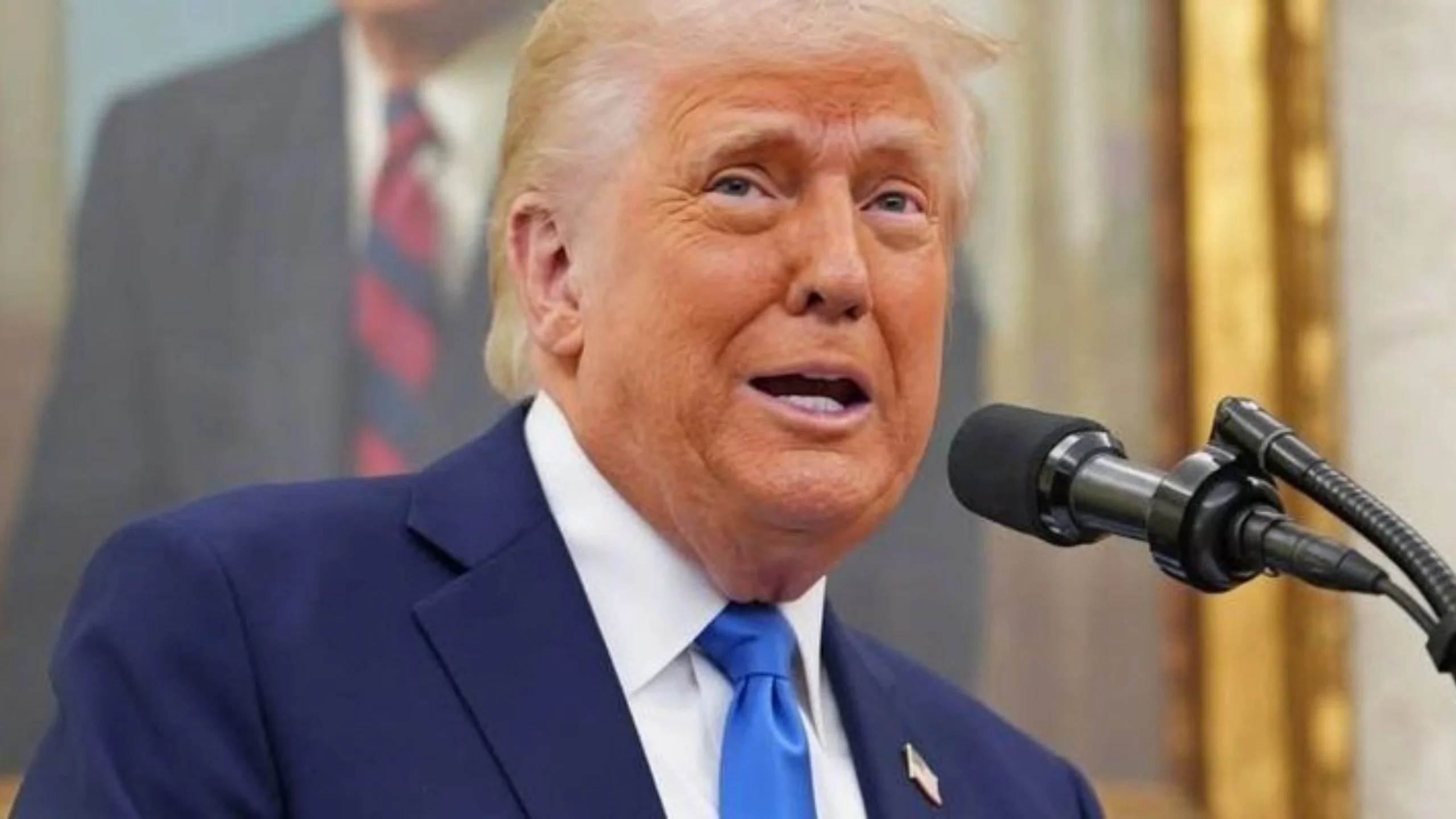
President Donald Trump’s latest confrontation with the news media has renewed debate over the boundaries of presidential authority and the constitutional protections afforded to journalists. His criticism of coverage he considers inaccurate or unfair has raised a broader question: where does a president’s right to challenge the press end, and where does the government’s obligation to protect press freedom begin?
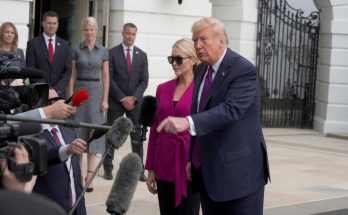
In August, Trump called for NBC journalist Kristen Welker to be reported to the Federal Communications Commission over what he described as an inaccurate characterization of his record of endorsing political candidates. He urged the agency to consider a possible “rebuke or punishment” for the coverage.
NBC defended Welker, saying it stood behind its journalist. The episode also highlighted the limits of the FCC’s authority over broadcast journalism. The agency has generally recognized that First Amendment protections restrict its ability to substitute its own judgment for broadcasters’ editorial decisions.
The dispute reflects a broader conflict between a president who frequently challenges media coverage and news organizations that argue their independence is essential to holding government officials accountable.
ABC and Disney Challenge FCC Review
The controversy has extended beyond NBC. ABC and its parent company, Disney, have challenged the FCC in court over an accelerated review of licenses held by eight Disney-owned ABC stations.
The companies argue that the review amounts to retaliation connected to the network’s programming and news coverage. FCC Chairman Brendan Carr has rejected that characterization, maintaining that the agency is addressing broadcasters’ obligations under the public-interest standard.
The legal dispute remains ongoing, leaving questions about the scope of the FCC’s authority and the extent to which regulatory decisions can intersect with disagreements over media coverage.
The distinction is significant. Federal regulators have legitimate responsibilities, but using regulatory powers to punish protected journalism would raise serious constitutional concerns.
Senate Committee Advances Bill Addressing Government Pressure
Concerns about government influence over speech have also reached Congress.
On September 16, the Senate Commerce Committee approved legislation by an 18-10 vote that would allow individuals to sue federal employees who coerce private companies into suppressing constitutionally protected expression.
The measure would need approval from the full Senate and the House of Representatives before becoming law. Reuters reported that lawmakers from both parties raised concerns about government pressure on private platforms and media organizations.
The proposal underscores a broader debate over how the government should interact with private companies when disputes arise over speech and information. Its supporters see a need for stronger safeguards against coercion, while its ultimate legal and practical effects would depend on the final legislation and how courts interpret it.
Press Freedom Does Not Mean Freedom From Criticism
The First Amendment does not place journalists beyond criticism. Presidents can challenge reporting, question editorial decisions and publicly dispute factual claims. News organizations, in turn, have a responsibility to verify information, distinguish fact from opinion, correct mistakes and explain the evidence supporting their reporting.
But criticism from elected officials is different from government action that threatens penalties or uses regulatory authority to influence editorial decisions.
When licensing reviews, regulatory investigations or other official powers become entangled with disputes over journalism, the stakes extend beyond a single reporter or network. The central concern is whether government authority is being exercised for legitimate regulatory purposes or as a means of punishing unfavorable coverage.
That distinction makes transparency, due process and independent judicial review especially important.
Why Media Independence Matters
News organizations do not have to agree politically or editorially to recognize their shared interest in protecting the freedom to report on government activities. National networks, local broadcasters, newspapers, digital publications and independent journalists all play roles in informing the public.
That does not mean every report should be accepted without scrutiny. Rather, it means disagreements should be resolved through evidence, corrections, public debate and lawful procedures—not government pressure intended to silence protected speech.
A healthy democracy depends on citizens being able to evaluate competing accounts of events and reach their own conclusions. That process becomes more difficult when journalists fear that critical coverage could trigger government retaliation.
The Constitutional Stakes Extend Beyond One President
The dispute between Trump and the media is part of a much larger debate about presidential power, press accountability and the limits of federal regulation.
The ultimate question is not whether journalists should be immune from criticism or whether presidents should remain silent when they believe reporting is wrong. Neither proposition is necessary to protect press freedom.
The more important question is whether journalists can investigate and report on those in power without facing government punishment for constitutionally protected work.
The First Amendment does not guarantee that presidents and reporters will have a comfortable relationship. It protects the public’s ability to receive information, scrutinize government decisions and hear competing perspectives.
When tensions between political leaders and the press intensify, the public has the greatest stake in ensuring that the facts, legal arguments and competing claims remain open to examination—and that neither government officials nor media organizations are treated as beyond accountability.