Supreme Court Rules Against Foreign Human Rights Lawsuits Targeting U.S. Companies
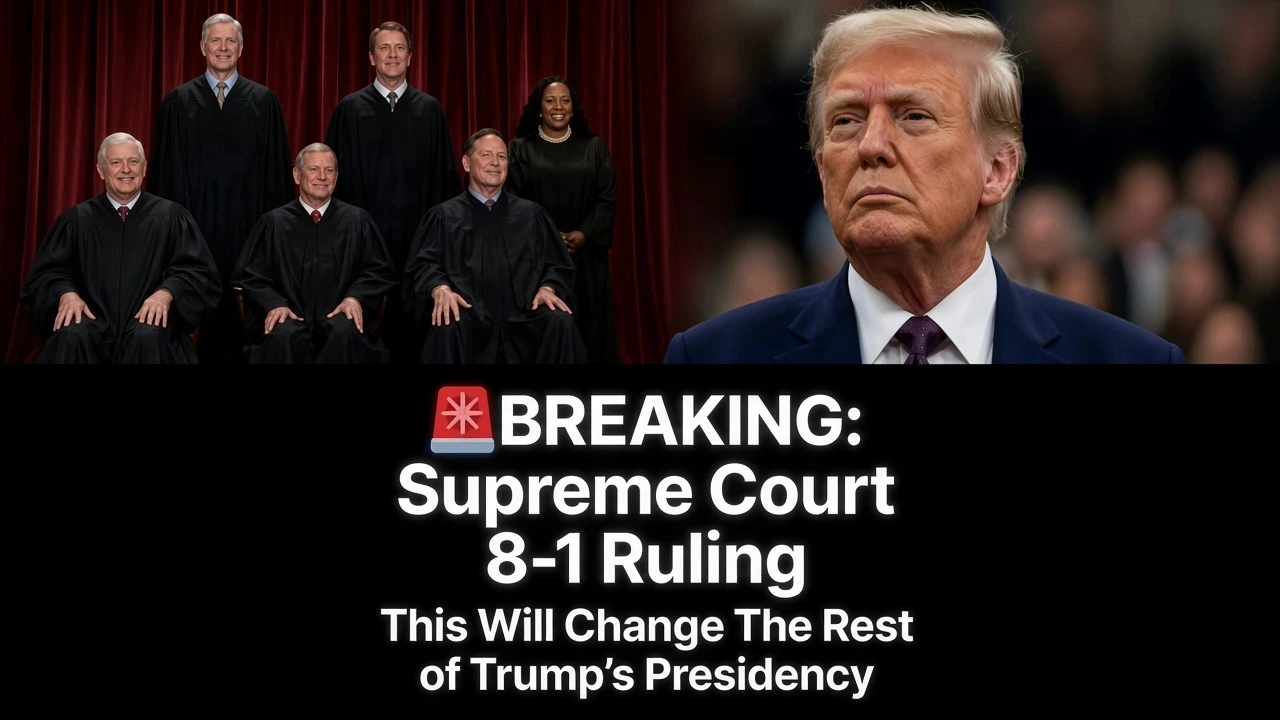
The U.S. Supreme Court has handed American technology companies a significant legal victory, ruling 6-3 that foreign plaintiffs cannot use two federal laws to hold U.S. corporations liable for allegedly aiding and abetting human rights abuses overseas. The decision in Cisco Systems, Inc. v. Doe sharply limits the ability of foreign claimants to pursue such lawsuits in American courts.
Writing for the conservative majority, Justice Amy Coney Barrett concluded that federal courts cannot create new private causes of action under the Alien Tort Statute of 1789 and that the Torture Victim Protection Act of 1991 does not authorize claims based on aiding-and-abetting liability. Chief Justice John Roberts and Justices Clarence Thomas, Samuel Alito, Neil Gorsuch and Brett Kavanaugh joined Barrett’s opinion.
The ruling centers on a fundamental question: whether federal judges can expand existing laws to allow foreign plaintiffs to seek damages from American companies over alleged human rights violations committed abroad.
The case arose from allegations by practitioners of Falun Gong, a religious movement banned by the Chinese government. The plaintiffs accused Cisco Systems and its executives of knowingly helping Chinese authorities develop surveillance technology used to identify, detain and torture members of the movement. The allegations involved Cisco’s technology and its reported role in China’s Golden Shield surveillance project.
Cisco disputed the claims, and the case focused on whether the two federal statutes allowed the plaintiffs to pursue their legal theories against the company.
A federal district court initially dismissed the lawsuit, but the Ninth Circuit Court of Appeals revived the claims, concluding that the statutes could permit aiding-and-abetting actions against domestic companies accused of knowingly facilitating violations of international law. The Supreme Court’s decision rejects that interpretation.
Court Emphasizes Congress’s Authority Over Federal Lawsuits
The majority grounded its decision in the constitutional separation of powers, arguing that creating new rights to sue is primarily a responsibility of Congress, not the federal judiciary.
Barrett’s opinion emphasized that the Alien Tort Statute provides federal courts with jurisdiction but does not itself authorize judges to invent new claims based on international legal principles. The majority also concluded that the Torture Victim Protection Act does not expressly establish secondary liability for aiding and abetting abuses.
The decision reflects longstanding concerns among conservative justices and business advocates that broad interpretations of international human rights law could expose American companies to costly litigation over conduct occurring under foreign governments.
The federal government supported Cisco during the proceedings, arguing that expansive liability for overseas activities could complicate U.S. foreign policy, invite retaliatory litigation against American interests abroad and discourage technology companies from operating in international markets.
Business groups and corporate defense attorneys have similarly argued that companies should not face open-ended legal exposure for alleged abuses committed by foreign governments simply because their products or services were involved.
The ruling strengthens those arguments by limiting the circumstances in which foreign plaintiffs can use these two statutes to pursue claims against U.S. businesses.
Liberal Justices Warn of Consequences for Human Rights Claims
The court’s three liberal justices dissented from the majority’s decision, raising concerns about the implications for victims seeking accountability for torture and other serious abuses.
Justice Sonia Sotomayor argued that the language of the Torture Victim Protection Act could encompass individuals who intentionally assist in torture, rather than limiting liability to those who directly carry out the abuse. Justice Elena Kagan joined that portion of her dissent.
Justice Ketanji Brown Jackson agreed with aspects of the majority’s narrower interpretation of the Alien Tort Statute but argued that the Torture Victim Protection Act could support claims against parties that knowingly provide material assistance to state-sponsored torture.
The dissenting justices’ position reflects a broader concern that restricting secondary liability could make it more difficult for victims to pursue legal remedies when alleged abuses involve the assistance of outside organizations or companies.
A Significant Shift in Corporate Accountability
The decision marks a major development in the long-running debate over the role of U.S. courts in addressing alleged human rights abuses committed abroad.
For decades, foreign plaintiffs have attempted to use American courts to hold companies accountable for alleged involvement in abuses overseas. The Supreme Court’s ruling places additional limits on those efforts, reinforcing the view that expanding federal liability for violations of international norms requires clear authorization from Congress.
For American businesses operating internationally, the decision offers greater protection against certain forms of human rights litigation under the two statutes at issue. For human rights advocates, however, it represents a setback in efforts to hold corporations legally accountable for allegedly facilitating abuses by foreign governments.
Ultimately, the ruling draws a clearer boundary around the authority of federal courts to create new avenues for international human rights claims. It also places renewed responsibility on Congress to determine whether and how American companies should face liability for knowingly assisting abuses committed overseas.