Dangerous Escalation in the Persian Gulf as Reports Emerge of Iranian Strikes on U.S. Bases
Tensions across the Persian Gulf have escalated sharply following reports of Iranian missile and drone attacks targeting locations associated with U.S. military forces in several Gulf countries. The reported attacks have triggered heightened security measures, airspace restrictions and warnings for civilians to remain indoors and stay away from military and other sensitive areas. The developments have raised fresh concerns about the possibility of a broader regional confrontation, with several Gulf states placed on heightened alert as authorities respond to incoming threats and reports of explosions.
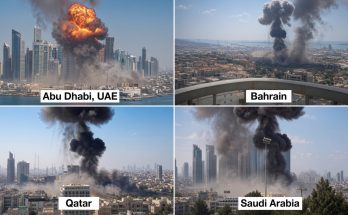
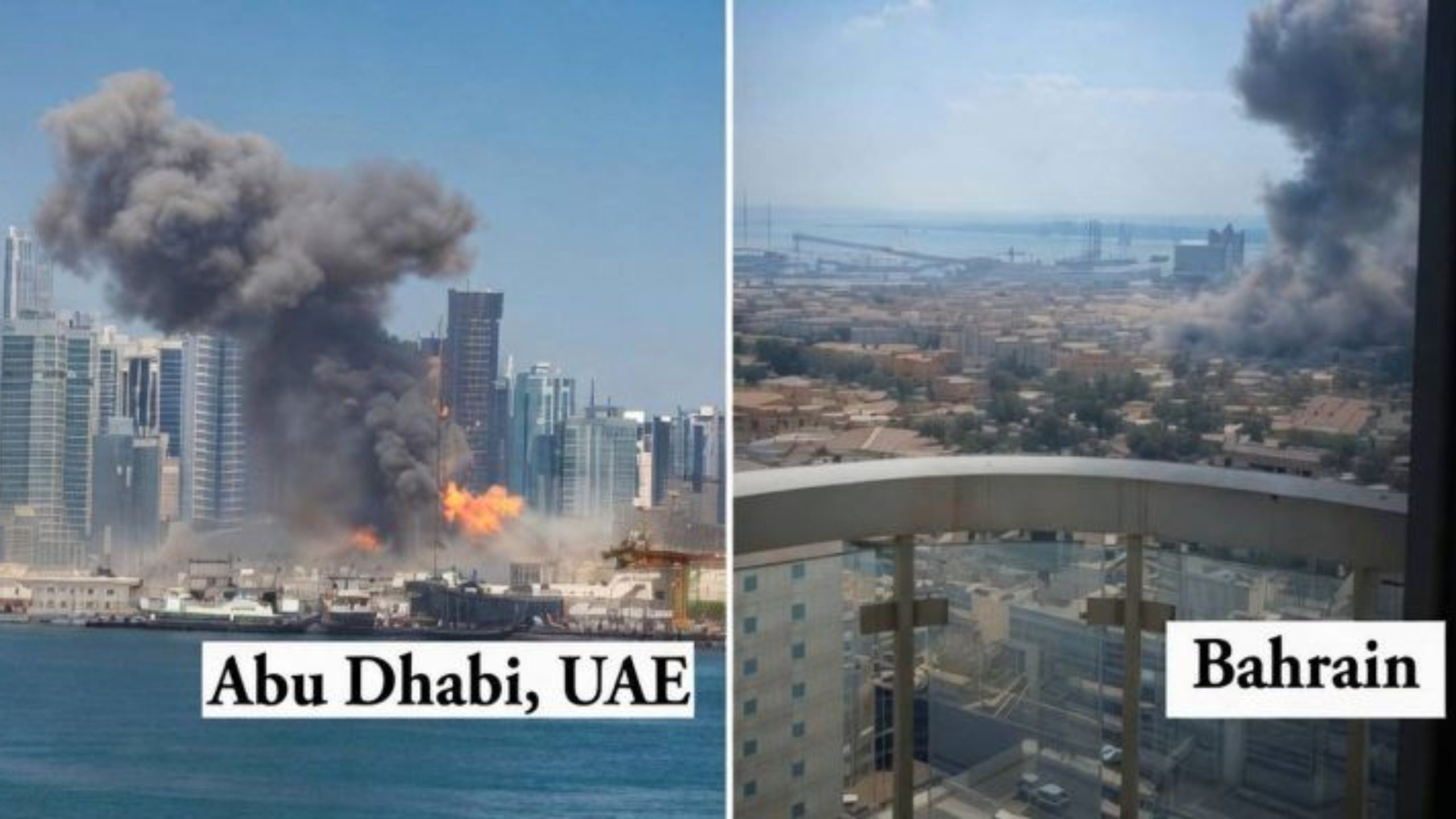
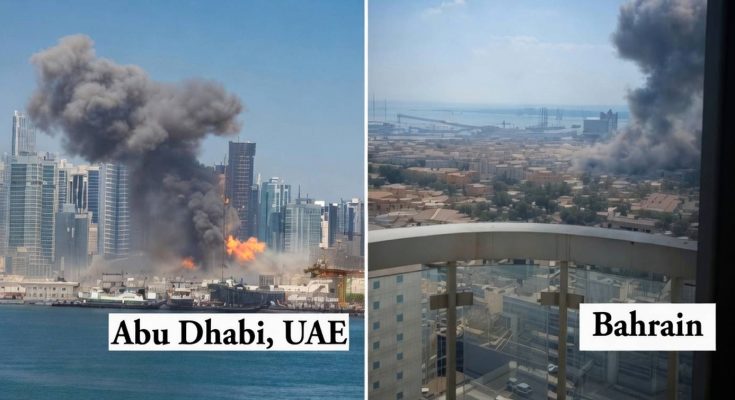
In the United Arab Emirates, reports emerged of powerful explosions in and around Abu Dhabi as authorities responded to what were described as Iranian missile threats. The Al Dhafra Air Base, which hosts U.S. military personnel and aircraft, has been among the facilities reported as being targeted. Air-defense systems in the region have been activated as officials work to detect and intercept incoming missiles and drones.
The reported attacks have also affected Bahrain, where residents in Manama reported explosions and smoke in the Al Jufair area. The area is home to Naval Support Activity Bahrain, which supports the U.S. Navy’s Fifth Fleet. The reports have added to concerns that American military facilities across the Gulf could become targets as tensions between Washington and Tehran continue to intensify.
Regional Alert Status Heightened Across Gulf Nations
Qatar has also been placed on high alert. Authorities have urged residents to take shelter and remain indoors amid reports of missile activity in the country. Al Udeid Air Base, a major U.S. military installation and an important regional hub for American forces, has been identified in reports as a target. Qatari air-defense systems have reportedly intercepted incoming threats.
The situation has also extended to Kuwait, where reports of explosions have caused concern among residents. Authorities have urged people to remain at home and avoid unnecessary travel, particularly near potentially sensitive or military-related locations. Across the region, governments have moved to tighten security measures as they attempt to protect civilians and critical infrastructure.
Airspace restrictions and temporary closures have been reported in some locations, disrupting commercial aviation and adding another layer of uncertainty to an already volatile situation. The developments underscore the strategic importance of the Persian Gulf, where several countries host major U.S. military facilities while also serving as critical centers for global energy production and transportation.
Broader Implications for Global Energy and Shipping
Any sustained military confrontation in the region could have consequences far beyond the immediate battlefield, potentially affecting shipping routes, energy markets and international travel. Officials in the affected countries have emphasized the importance of following emergency instructions and remaining away from military facilities. Residents have been encouraged to stay indoors when warnings are issued and to rely on official government announcements for information.
The situation remains fluid, and details surrounding individual strikes, damage and casualties are still developing. Reports from conflict zones can change rapidly as governments assess the damage and military operations continue. What is clear is that the latest developments represent another significant escalation in an already dangerous regional crisis.
With U.S. military forces maintaining a substantial presence throughout the Gulf and Iran continuing to demonstrate its ability to launch long-range missile and drone attacks, concerns remain high over whether the latest confrontation could expand further. Authorities across the region are now closely monitoring the situation as air-defense systems remain on alert and governments work to protect their populations. Further developments are expected as officials provide additional information about the reported attacks and their consequences.