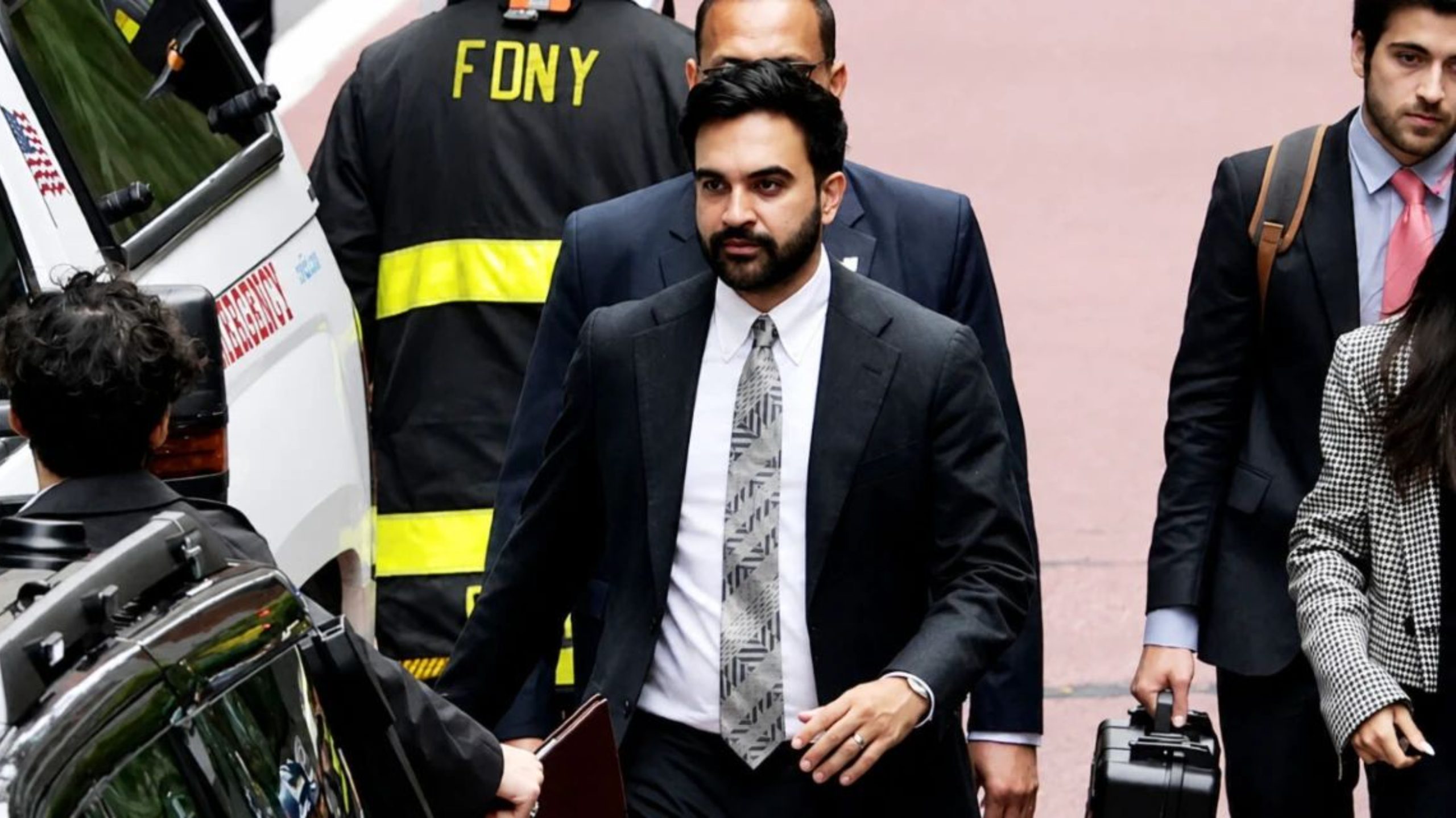
A major legal battle is beginning to take shape in New York City after a coalition representing thousands of small businesses accused city leaders of pushing ahead with a controversial plan that they say could threaten family-owned stores. The dispute centers on one of Mayor Zohran Mamdani’s signature campaign promises, and opponents are now preparing to challenge the proposal in court before the first government-run store ever opens its doors. The Multicultural Business Coalition announced it is preparing to file a lawsuit against New York City over Mamdani’s plan to create five taxpayer-funded grocery stores, arguing the project would unfairly compete with privately owned supermarkets and neighborhood bodegas. The coalition’s board voted this week to move forward with legal action, according to chairman Frank Garcia. Garcia told the New York Post the organization expects to notify the mayor’s office of its intent to sue in the coming days.
“The mayor doesn’t seem to want to sit down with us,” Garcia said. “He won’t be able to bully these lawyers we are going to bring in.” According to the coalition, it plans to raise approximately $1 million to finance the lawsuit and a broader public awareness campaign. The organization says it represents 50 chambers of commerce made up of Asian, African, Caribbean, Hispanic, Middle Eastern and Jewish-owned businesses throughout New York City. Business owners argue the city’s proposal would place government-funded stores in direct competition with privately owned neighborhood markets that already operate on thin profit margins.
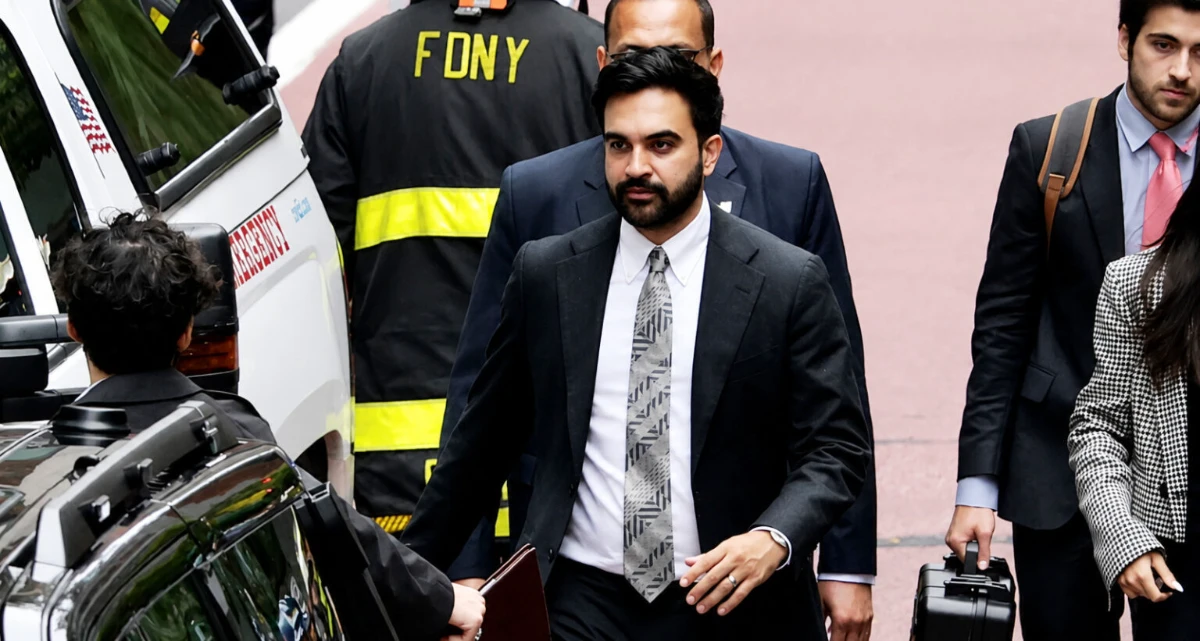
Mayor Mamdani recently announced additional details about the program, including plans for stores to sell basic grocery items such as produce, meat, milk, cheese and bread at prices approximately 30% below what consumers typically pay elsewhere. The city says the first location is expected to open next year in the Bronx. Supporters of the lawsuit argue the city-backed stores would enjoy advantages unavailable to private businesses. According to the mayor’s office, the government-run supermarkets would operate on municipally owned property and therefore would not pay commercial rent. Critics contend that advantage would make it difficult for nearby businesses to compete on price.

Business Groups Raise Competition Concerns
One area drawing particular attention is East Harlem, where the city plans to open a store at La Marqueta. Business groups say several privately owned bodegas already operate within a few blocks of the planned location. Radhames Rodriguez, president of the United Bodegas of America, warned that deeply discounted prices could drive customers away from neighborhood stores. “Having items that sell for 30% less than our prices means nobody will go to our stores,” Rodriguez said. According to Garcia, many of the coalition’s members already face rising rents, higher taxes, increasing insurance costs and persistent shoplifting. He argues government competition could place additional financial pressure on small businesses that have served their communities for decades.
Garcia declined to discuss the specific legal arguments that will be presented in court. However, he said several organizations and individuals have expressed interest in supporting the coalition’s legal effort. The mayor has defended the proposal, arguing the city-run stores are designed to improve access to affordable groceries rather than replace existing businesses. Mamdani has emphasized that the stores will not sell several items commonly offered by neighborhood bodegas, including prepared hot foods, alcohol, cigarettes and lottery tickets. “We are not looking to compete with bodegas or grocery stores when it comes to their ability to survive,” Mamdani said during a recent press conference.
Legal Challenge Could Impact Initiative
According to reports, city officials have also held private meetings with grocery store owners to discuss the proposal. Some participants have said those discussions did little to ease their concerns, The New York Post reported. If the lawsuit is filed as expected, it could become one of the first major legal challenges confronting Mamdani’s administration and may determine whether New York City can move forward with one of the mayor’s highest-profile economic initiatives.