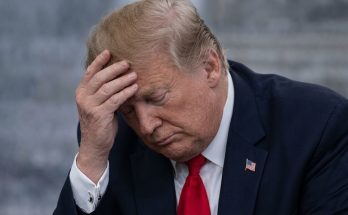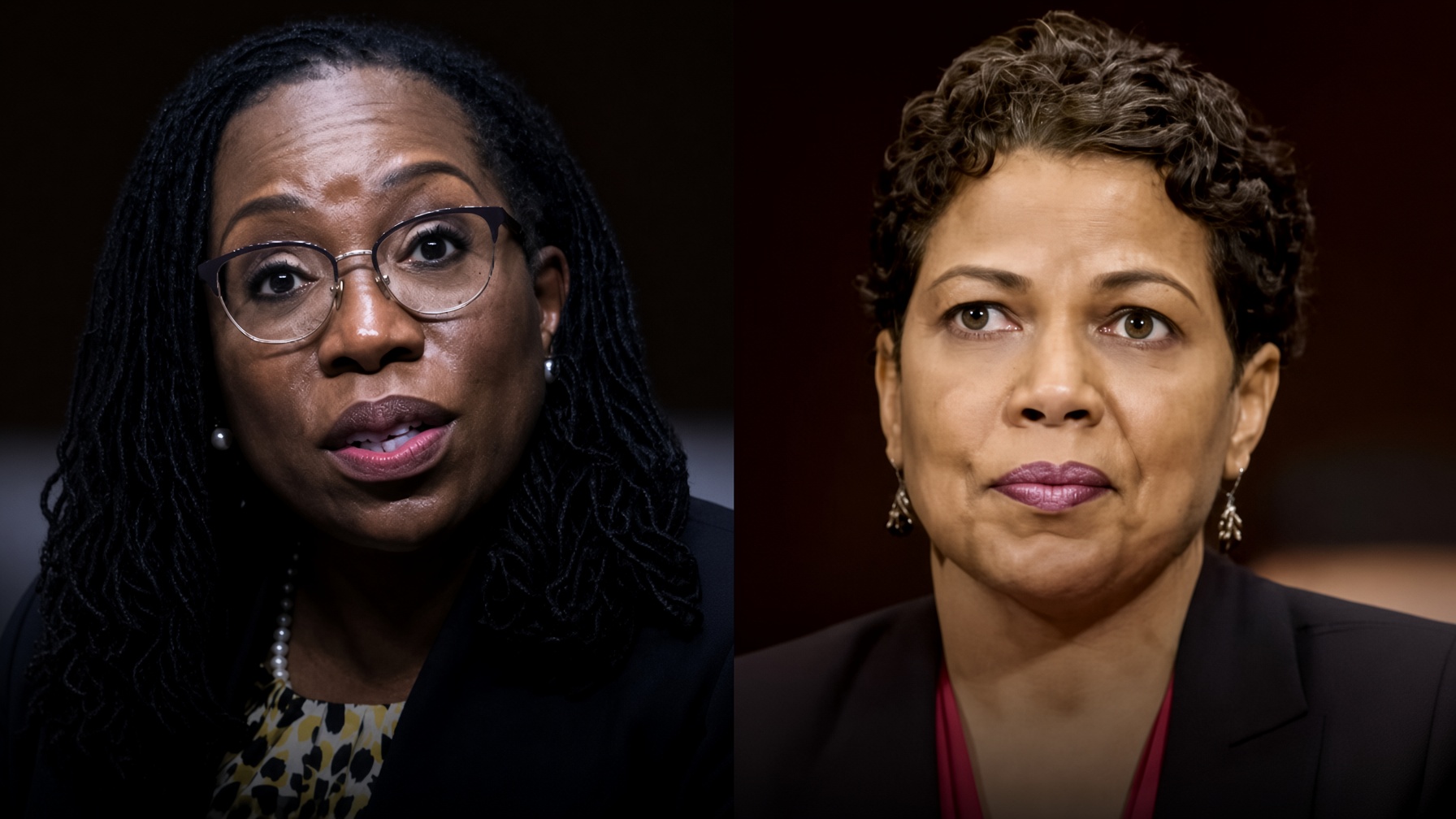
WASHINGTON — Allegations that federal judges may have discussed or coordinated against President Donald Trump in private communications are raising new questions about judicial ethics, impartiality and the safeguards intended to protect the independence of the federal judiciary.
The claims, involving federal judges including Tanya Chutkan and Ketanji Brown Jackson, have prompted calls for greater scrutiny of any communications that could suggest political coordination or hostility toward a litigant. However, allegations alone do not establish that a judge engaged in misconduct, and any investigation would need to determine what was actually communicated, who participated, when the conversations occurred and whether the discussions violated applicable judicial rules.
The issue is particularly sensitive because federal judges occupy a position that requires them to remain independent from partisan politics. Judges routinely preside over cases involving elected officials, government agencies and politically controversial issues. Their authority depends not only on following the law, but also on maintaining public confidence that their decisions are based on legal principles and evidence rather than personal political preferences.
Questions about private communications can therefore carry significant consequences even when no formal violation has been established. The appearance of a conflict can be damaging to public trust, particularly in cases involving a president or other major political figure.
Judicial ethics rules generally require federal judges to avoid situations that could create a reasonable question about their impartiality. Whether particular communications cross that line depends heavily on their content and context. A discussion about legal issues, for example, would not necessarily demonstrate improper coordination, while communications designed to influence a particular case could raise substantially different concerns.
That distinction makes an independent review important if credible evidence exists. Investigators would need to establish the facts rather than rely on political accusations or assumptions. They would also need to determine whether any communication involved an actual case, whether confidential judicial information was improperly shared and whether the conduct affected a judge’s ability to fairly perform his or her duties.
The controversy comes amid broader concerns about the relationship between the judiciary and the increasingly polarized political environment in Washington. Supporters of judicial independence argue that judges must be protected from political pressure regardless of which party controls the White House. Critics, meanwhile, have increasingly questioned whether some members of the judiciary have allowed personal or ideological views to influence decisions involving politically powerful figures.
Those competing concerns underscore the importance of transparency. A judiciary cannot function effectively if Americans believe judges are secretly coordinating with political allies or opponents. At the same time, accusations against judges should not themselves become a political weapon used to undermine legitimate judicial decisions.
Any investigation should therefore focus on evidence, established ethical standards and the actual conduct of the individuals involved. If wrongdoing occurred, appropriate disciplinary measures should follow. If the allegations prove unfounded, a transparent review could help prevent misinformation from further damaging confidence in the courts.
The stakes extend beyond any single judge or president. Federal courts have the authority to make decisions affecting constitutional rights, executive power and the enforcement of federal law. Their legitimacy ultimately depends on the perception that those decisions are reached independently and fairly.
For that reason, allegations involving private political discussions by federal judges deserve careful examination rather than immediate conclusions. The rule of law requires both judicial independence and judicial accountability—and protecting one should never require abandoning the other.