President Donald Trump described a U.S. military operation targeting Iranian nuclear facilities as a “very successful attack,” setting off immediate concern across the Middle East and raising fears that the confrontation with Iran could rapidly widen. The strikes marked a dramatic escalation in the conflict and prompted an urgent international response. Iranian Foreign Minister Abbas Araghchi condemned the operation as “outrageous” and “criminal,” warning that Tehran “reserves all options.” His remarks signaled that Iran was considering its response and would not accept the strikes without consequences.
The immediate question facing governments around the world was how Iran might retaliate and whether its response could trigger a broader cycle of military action. U.S. and Israeli officials portrayed the operation as a major military achievement, arguing that the strikes represented a significant setback for Iran’s nuclear capabilities. The full extent of the damage and its long-term impact, however, remained a central issue as governments assessed the consequences.
Across Europe, officials urged restraint and warned that further military escalation could destabilize an already fragile region. European governments faced the difficult task of condemning threats while simultaneously pressing all sides to avoid actions that could push the crisis beyond diplomatic control. At the United Nations, diplomats confronted growing pressure to encourage de-escalation as governments monitored developments and assessed the possibility of additional attacks.
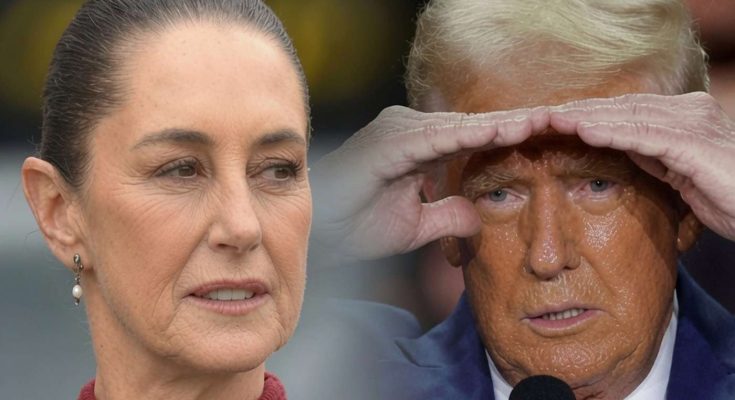
Iran’s Response and Regional Implications
The focus quickly shifted from whether Iran would respond to the more difficult questions of when, where and how it might act. Any retaliation could involve military targets, regional allies or other strategic interests, potentially expanding the conflict far beyond the original strikes. Financial markets and U.S. allies in the region were also watching closely for signs of what could come next.
The uncertainty has heightened concerns about regional security, international diplomacy and the possibility of a prolonged confrontation. The days ahead could prove decisive. Diplomatic efforts may create an opportunity to contain the crisis, but further military action could instead push the region toward a much wider conflict.
While the operation focused on Iranian nuclear facilities, its consequences may extend well beyond those targets. The central challenge for Washington, Tehran and their international partners will now be determining whether the latest escalation becomes an isolated military confrontation or the beginning of a much larger regional crisis.