Federal Judge Blocks Trump Administration’s $1.8 Billion Anti-Weaponization Fund
A federal judge in Virginia has temporarily blocked the Trump administration from moving forward with a proposed $1.8 billion fund intended to compensate individuals who believe they were wrongfully targeted by the federal government. The ruling puts the controversial initiative on hold as the court considers legal challenges over how the fund was established, who could receive payments and whether the administration has the authority to proceed.
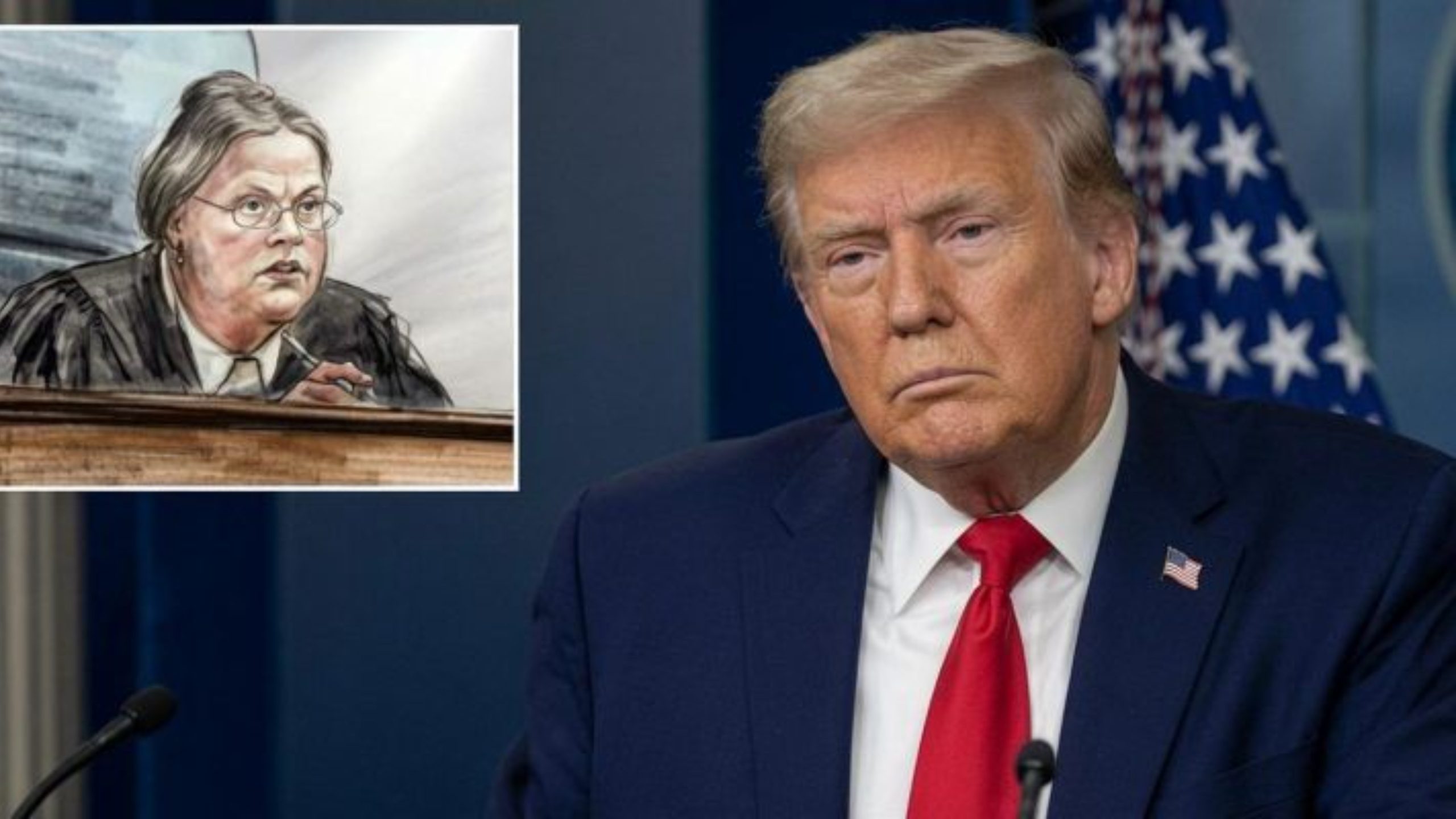
U.S. District Judge Leonie Brinkema issued an order prohibiting the administration from taking action related to the creation or operation of the Anti-Weaponization Fund. The restrictions include transferring money into the fund, reviewing submitted claims and distributing payments.
Brinkema scheduled a June 12 hearing to consider whether a longer-lasting injunction should remain in place. The lawsuit was brought by a broad coalition of plaintiffs who argue that the fund’s structure could exclude them from eligibility while allowing others to benefit.
The dispute has placed the administration’s proposed compensation program under intense legal and political scrutiny, raising questions about executive authority, public accountability and the use of federal resources.
Controversy Over Who Could Receive Compensation
The fund has also triggered a dispute in Congress over whether individuals prosecuted in connection with the January 6, 2021, Capitol attack should be eligible to receive payments.
The Department of Justice announced the $1.8 billion fund as part of a broader settlement arrangement connected to Trump’s decision to drop a $10 billion lawsuit against the Internal Revenue Service over the unauthorized disclosure of his tax returns from 2019 and 2020 by a government contractor.
Critics have questioned the arrangement, particularly because Congress has not formally appropriated the $1.8 billion. Concerns have also emerged over whether attorneys representing defendants in January 6 cases could seek compensation through the program.
During a House Rules Committee meeting, Rep. Jim McGovern, a Massachusetts Democrat, proposed an amendment that would have prevented people charged or convicted in connection with the Capitol riot from receiving payments through the fund.
McGovern also sought to require the attorney general to disclose payments made through the program, arguing that the public deserved greater transparency about how the money would be distributed.
“This secret slush fund should be an outrage to every American, no matter your politics,” McGovern said, criticizing the arrangement and questioning the lack of congressional oversight.
Republicans on the committee rejected his amendment, prompting McGovern to accuse the GOP majority of protecting a program that could benefit individuals prosecuted for their roles in the Capitol attack.
The disagreement highlights a broader political battle over the fund’s purpose, eligibility requirements and accountability mechanisms. Supporters of compensation argue that people who were wrongfully targeted by government agencies should have a path to seek redress. Critics contend that any such program must operate under clear legal authority, transparent rules and meaningful congressional oversight.
Legal Challenges Put the Fund’s Future in Doubt
The court’s intervention creates another obstacle for the administration as it attempts to advance the initiative.
At issue is not only who may qualify for compensation, but also whether the fund can lawfully operate under the arrangement established by the administration. The plaintiffs challenging the program have raised concerns about its structure and the potential consequences for people who believe they have been unfairly excluded.
The June 12 hearing is expected to address arguments over whether the restrictions should remain in place for a longer period.
Until the court considers those arguments, the administration cannot proceed with the activities covered by Brinkema’s order. The legal challenge leaves the fund’s eventual operation and the distribution of any payments uncertain.
The case also raises questions about the limits of executive authority when substantial sums of public money are involved, particularly when a compensation program emerges from a settlement connected to a lawsuit brought by the president himself.
House Passes Major Housing Legislation
Separately, the House delivered a bipartisan legislative victory by passing the amended 21st Century ROAD to Housing Act in a 396-13 vote.
The legislation is designed to address housing affordability by expanding access to homeownership, increasing housing supply and limiting certain institutional investors’ ability to purchase single-family homes. The bill now moves to the Senate for further consideration.
House leaders have presented the measure as a response to rising housing costs that have placed homeownership increasingly out of reach for many American families.
Speaker Mike Johnson emphasized the importance of addressing both the cost of housing and the shortage of quality homes, arguing that the issue affects households across the country.
The overwhelming vote demonstrated broad bipartisan support for taking action on housing affordability, a major economic concern as lawmakers approach the midterm elections.
The two developments underscore competing pressures facing Washington: a contentious legal fight over the Trump administration’s proposed compensation fund and a bipartisan effort to address an issue affecting millions of Americans.
While the fund’s future now rests partly with the courts, the housing legislation advances to the next stage of the legislative process, offering lawmakers an opportunity to pursue a policy response to the nation’s affordability challenges.