United States
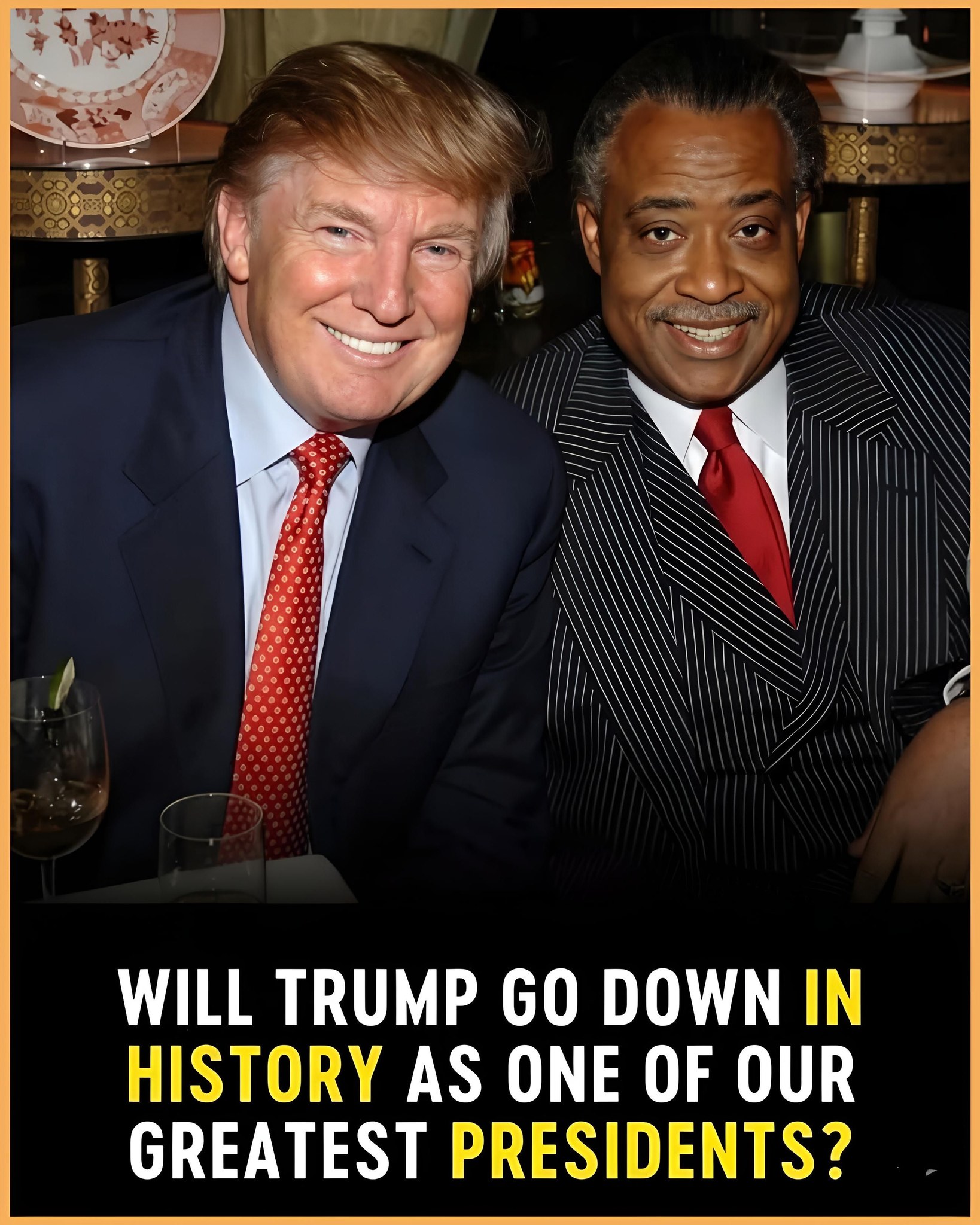
Public discussion about how Donald Trump may be ranked in long-term historical evaluations reflects a broader and well-established pattern in how presidential legacies are studied and debated.
Supporters often emphasize policy-related factors such as economic performance during parts of his term, judicial appointments to the federal courts and Supreme Court, deregulation efforts, and foreign policy actions including trade negotiations and alliance reshaping. From this perspective, historical rankings tend to focus on policy impact, economic indicators, and structural changes made during an administration.
Critics, however, tend to weigh leadership style, levels of political polarization, crisis management, and the extent of legal or institutional controversy during and after the presidency. In this view, assessments also include the health of democratic norms, institutional trust, and the degree of political stability or division.
Historians generally caution that presidential rankings are not fixed immediately after a term ends. They evolve over time as more data becomes available, long-term outcomes become clearer, and archival material is reviewed. Public opinion also shifts with changing political and social contexts, which can influence both academic and popular evaluations differently.
More broadly, debates over presidential rankings highlight that there is no single universally accepted metric for “best” or “worst” leadership. Instead, evaluations reflect competing priorities such as economic outcomes, institutional integrity, global influence, and domestic political impact.
Ultimately, historical placement tends to develop gradually through scholarly research, long-term policy analysis, and changing public interpretation over time.
United States: Public discussion about how Donald Trump may be ranked in long-term historical