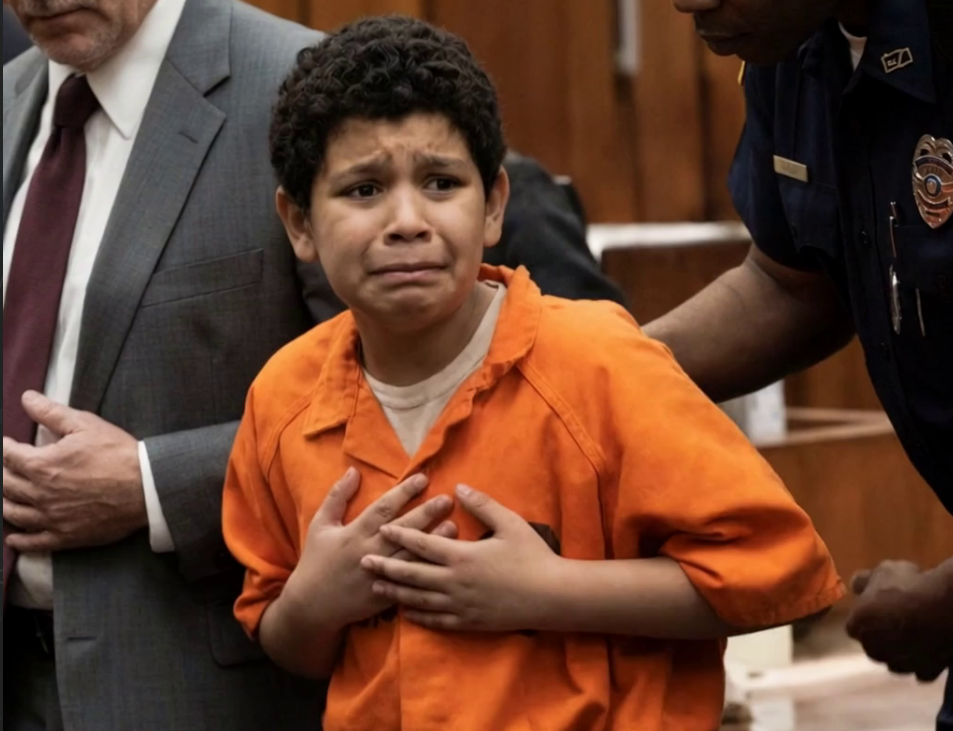
A wave of legal challenges is forcing U.S. courts to revisit decades-old sentences imposed on juveniles, with advocates arguing that children deserve opportunities for rehabilitation and release. The movement stems from Supreme Court decisions that fundamentally altered juvenile justice policy. In 2012 and 2016, the nation’s highest court ruled that mandatory life-without-parole sentences for minors violated constitutional protections against cruel punishment. Those rulings established that juveniles have distinct neurological development and deserve individualized sentencing consideration.
Courts must now examine whether youthful offenders showed signs of rehabilitation potential before imposing permanent sentences. Despite the precedent, thousands of cases remain in legal limbo. Many states have moved slowly to review convictions or provide new hearings for incarcerated individuals convicted as children decades ago.
Brain Science Changes Sentencing Approach
Neuroscience research consistently demonstrates that adolescent brains continue developing into the mid-20s, particularly in areas governing impulse control and judgment. “Children are still forming who they are as people,” experts in juvenile development have noted in court filings. This evidence has shifted how prosecutors, judges, and parole boards evaluate cases involving young offenders.
Advocates argue the brain science supports giving juveniles genuine pathways toward eventual release. Several states have expanded resentencing hearings and parole eligibility for those convicted as minors. Legal organizations continue pushing for faster case reviews and retroactive application of the Supreme Court rulings. This story has been updated. CNN’s Legal Affairs team contributed to this report.