BREAKING NEWS: Tensions across the Middle East escalated dramatically after reports of missile attacks and air defense activity in several Gulf nations prompted emergency security measures and widespread public concern. Authorities in multiple countries responded rapidly as the situation unfolded, while military officials worked to assess the scope of the incident and protect key strategic locations.
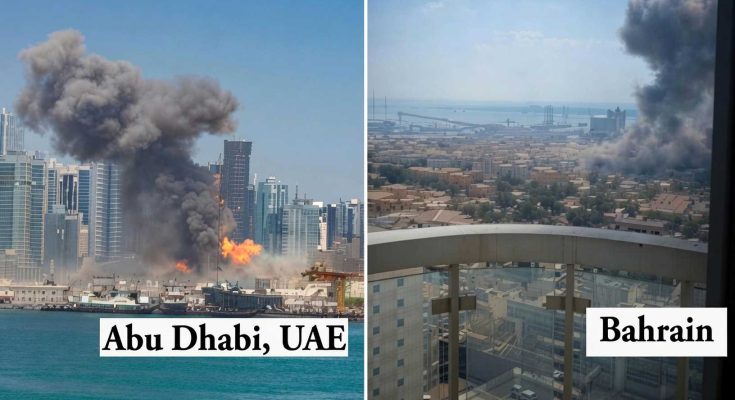
In Manama, reports indicated smoke in the Al Jufair district, home to the headquarters of the U.S. Fifth Fleet, following what Iranian state media described as retaliatory military action. Bahraini authorities activated emergency protocols, and warning sirens sounded in parts of the capital before officials later issued an all-clear.
Meanwhile, in Qatar, the Interior Ministry urged residents to shelter in place after intelligence suggested a potential threat to the Al Udeid Air Base, the largest U.S. military installation in the region. Qatari officials temporarily closed the country’s airspace as a precaution, disrupting commercial air traffic across the Gulf. The Qatari Ministry of Defense later announced that its air defense systems had intercepted incoming missiles targeting the base and stated that there were no immediate reports of casualties.
The rapidly developing situation also affected neighboring countries. Temporary airspace closures were implemented in Bahrain and Kuwait as regional governments monitored the security environment and coordinated with military and aviation authorities. Airlines diverted or canceled numerous flights, creating significant travel disruptions throughout the Gulf region before airspace gradually reopened.
Reports from regional media indicated that explosions were heard in parts of Kuwait during the heightened alert, although officials urged the public to remain calm and await verified information. Governments across the region encouraged residents to follow official emergency instructions and avoid spreading unconfirmed reports as authorities evaluated the evolving security situation.
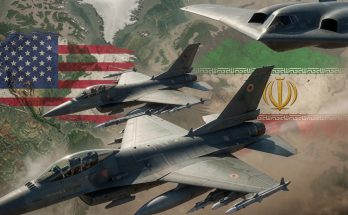
The attacks followed a period of rapidly escalating tensions between Iran, the United States, and Israel, raising renewed concerns about the possibility of a broader regional conflict. Security analysts warned that any further military escalation could affect regional stability, commercial aviation, global energy markets, and international shipping routes through the Persian Gulf.
International leaders are closely monitoring developments while diplomatic efforts continue to prevent additional escalation. Military officials remain on heightened alert, and governments throughout the region have pledged to provide timely updates as new information becomes available. Although immediate defensive measures appear to have limited the damage, the events underscore the fragile security environment in the Middle East and the importance of continued diplomatic engagement to reduce the risk of a wider conflict.
4 countries join forces to attack
In Manama (Bahrain), smoke has been reported in the Al Jufair area, where a US Fifth Fleet base is located, after an alleged Iranian attack.
Qatar’s Interior Ministry has called for shelter in place as a Patriot missile system reportedly intercepted a missile targeting the Al Udeid airbase. Authorities have announced the closure of the country’s airspace.
Qatar’s Defense Ministry said it had successfully repelled several attacks and that the country is on high alert Qatar’s Defense Ministry said it had successfully repelled several attacks and that the country is on high alert.
Regional Impact and Updates
According to Al Jazeera, powerful explosions were also heard in Kuwait, while authorities have urged citizens to stay home and not go out to work. The situation remains evolving and information is expected to be updated in the future.