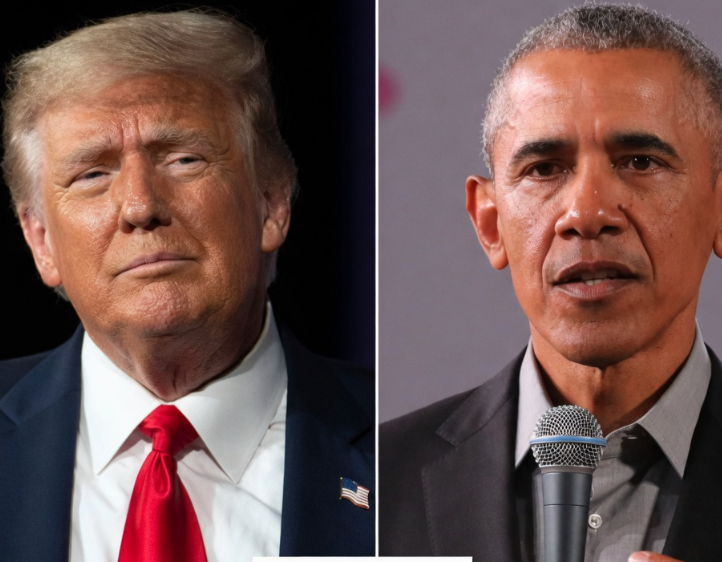
Claims comparing presidents involve a mix of policy interpretations, economic data, and political opinion, and they’re often viewed very differently depending on the source and perspective.
During Barack Obama’s presidency, the U.S. recovered from the 2008 financial crisis, saw a long period of economic expansion, and implemented the Affordable Care Act. His administration also oversaw the operation that killed Osama bin Laden and supported the Iran nuclear deal and the Paris climate agreement.
During Donald Trump’s presidency, the U.S. experienced low unemployment rates before the COVID-19 pandemic, major tax cuts, deregulation efforts, and the Abraham Accords, along with changes in immigration policy and trade agreements. His administration also saw increased political polarization and the federal response to the pandemic became a major defining issue of his term.
Economists and historians generally caution against direct “best president” comparisons based on selective metrics, since outcomes like job growth, debt, foreign policy, and global events are influenced by long-term trends and circumstances beyond any single administration.
Ultimately, assessments of presidential performance tend to vary widely depending on which indicators are prioritized and how historical impact is interpreted over time.