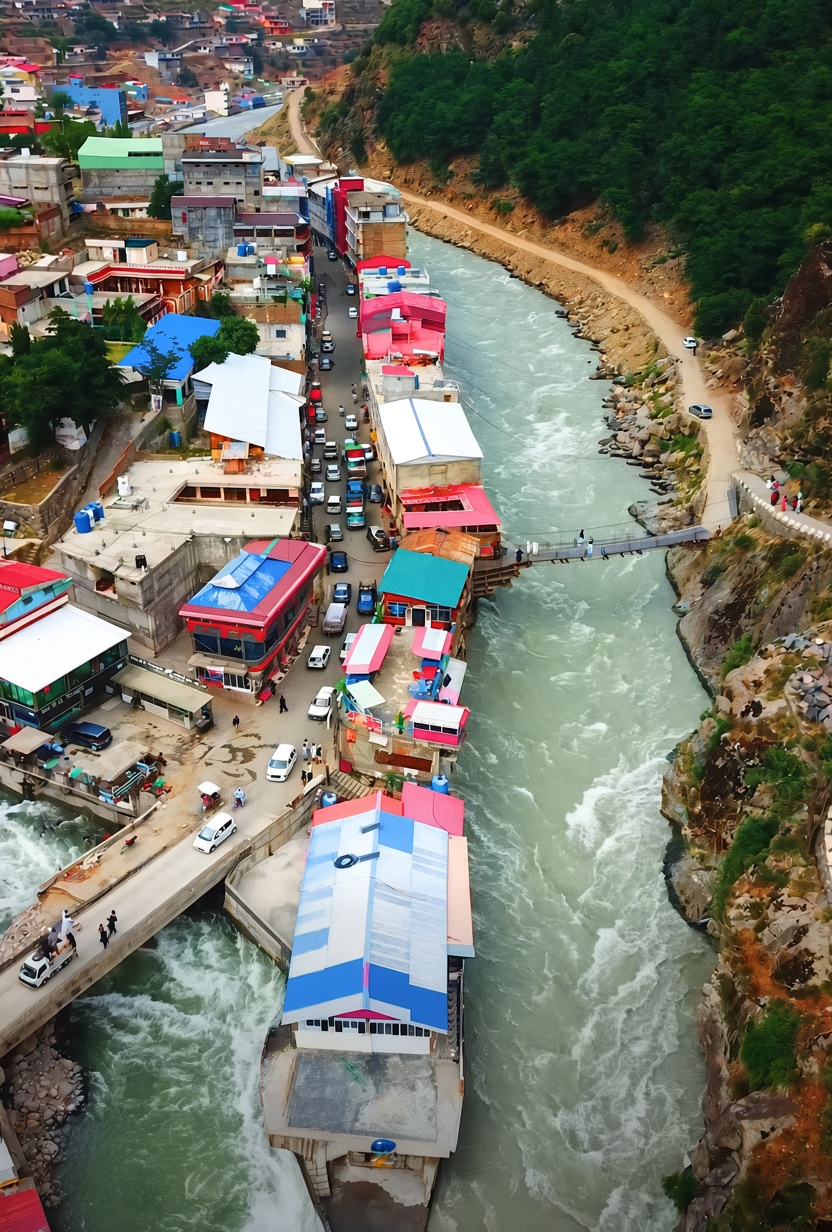
Massive Flash Flood Devastates Nepal as Hundreds Are Killed and Hundreds More Remain Missing
A catastrophic flash flood has torn through northern Nepal, leaving a trail of death and destruction across communities near the Nepal-China border and triggering a massive search-and-rescue operation. The disaster struck on August 26 along the Bhote Koshi River and surrounding river systems, sending torrents of water, mud, rocks and debris through valleys with little warning. Nepal’s Ministry of Foreign Affairs said the flooding caused extensive damage to homes, roads, bridges, hydropower facilities and other critical infrastructure.
By Thursday evening, Nepalese authorities reported that 359 bodies had been recovered, while 596 people from 33 countries remained missing in Nepal. The figures continue to change as rescuers reach isolated areas and authorities receive additional reports.
The disaster has also affected large numbers of foreign tourists and pilgrims traveling through the Himalayan region. Hundreds of international visitors are among those reported missing, including Americans, Indians, Canadians, Australians and citizens of several other countries. The U.S. State Department has been monitoring the situation as rescue teams work to determine the whereabouts of American citizens believed to have been in the affected areas.
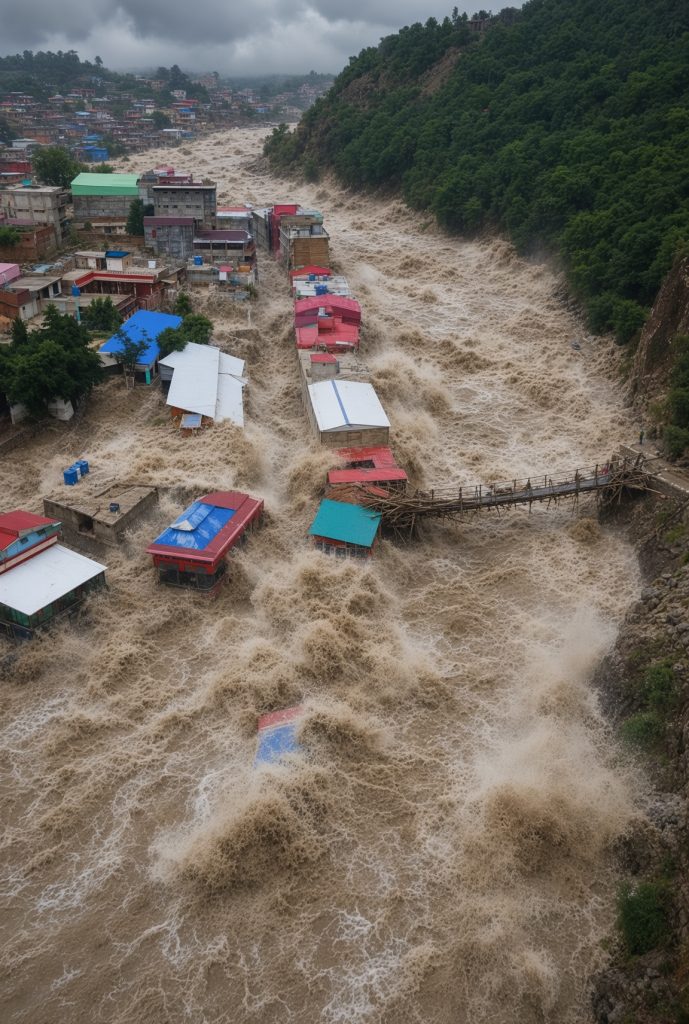
Scientists and geological experts say the disaster appears to have been triggered by a massive collapse of ice and rock near Langtang Lirung, producing an enormous debris flow that surged into river valleys. Satellite imagery showed dramatic changes to the landscape, with sections of rivers widened and buried beneath huge quantities of mud and sediment.
The force of the flood overwhelmed roads, bridges and settlements, while communication links were disrupted in some of the hardest-hit areas. In Tibet, the disaster also severely damaged the Gyirong border area, complicating rescue operations on both sides of the frontier. Chinese authorities have reported hundreds of people missing in Tibet as well.
Nepalese soldiers, police officers, emergency workers and helicopter crews have been deployed to search for survivors, evacuate stranded residents and deliver emergency assistance. More than 100 people were reportedly rescued by Nepalese Army helicopter operations, while injured survivors have been transported to Kathmandu for medical treatment.
Authorities are also watching for additional flooding because debris and landslides have altered waterways in the mountainous region. Rescue operations remain extremely difficult because of damaged roads, unstable slopes and continuing hazards.
For families across Nepal and around the world, the focus remains on finding those still missing. As rescue teams continue working through devastated valleys, the scale of the disaster is becoming clearer — and the Himalayan region faces a long and difficult recovery.