Trump’s Warning to the Media Sparks New First Amendment Battle Over Press Freedom
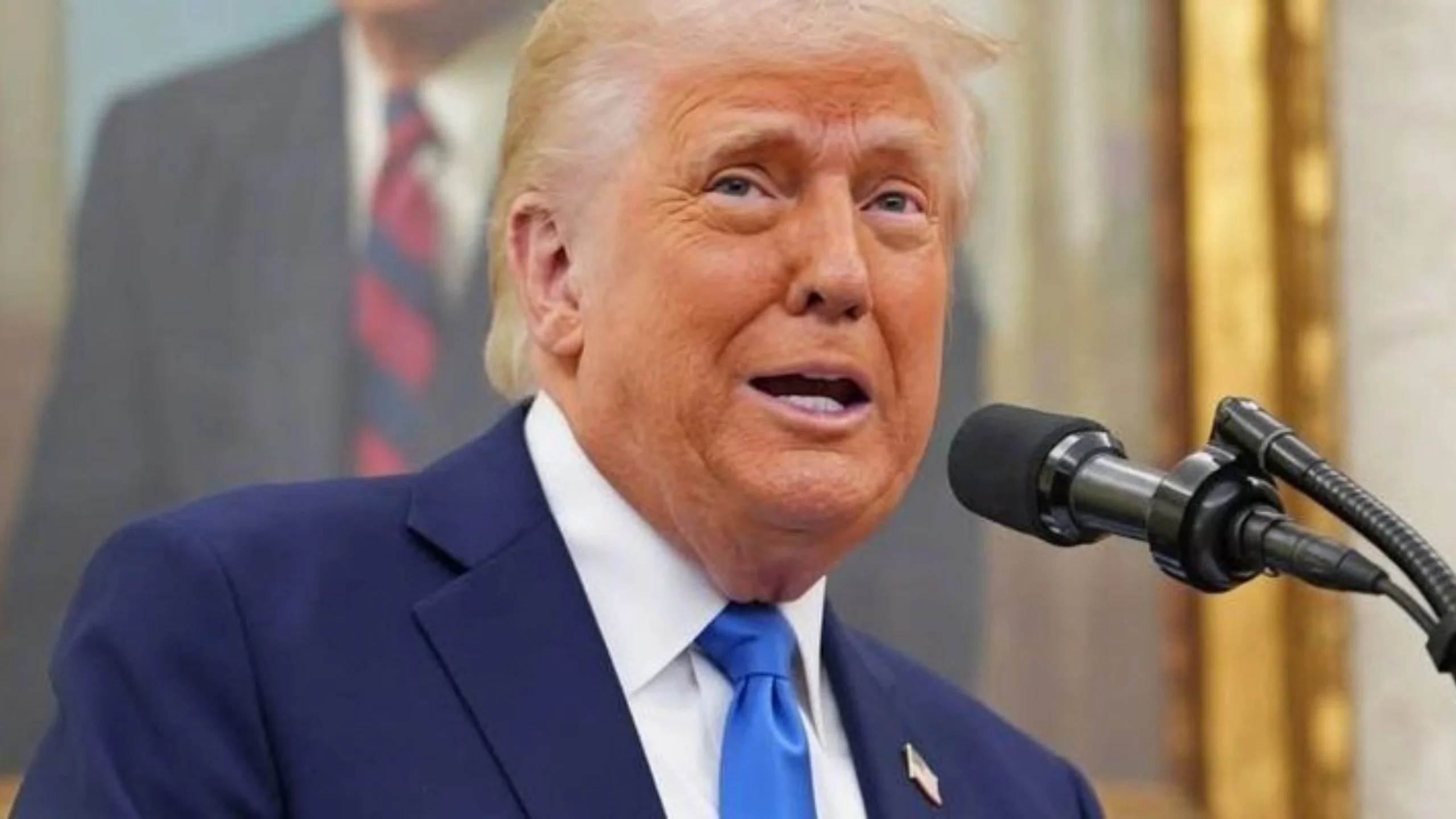
Tensions between President Donald Trump and the American news media are escalating once again, raising serious questions about press freedom, government authority, and the constitutional protections guaranteed by the First Amendment.
The controversy intensified after Trump directed criticism toward journalists and broadcasters, warning that media organizations could face consequences over reporting he considered inaccurate or unfair. His remarks have reignited a broader debate about whether government officials can use regulatory authority to challenge news coverage they disagree with.
The dispute gained attention in August when Trump called for NBC journalist Kristen Welker to be reported to the Federal Communications Commission (FCC). He accused Welker of inaccurately describing his record of endorsing political candidates and suggested the commission should consider a possible “rebuke or punishment.”
NBC quickly defended its journalist, making clear that the network stood behind Welker.
However, the controversy raises a significant constitutional question: How far can the government go when challenging the editorial decisions of independent news organizations?
The FCC has limited authority over broadcast content and has generally maintained that it cannot simply substitute its own journalistic judgment for that of broadcasters because of First Amendment protections.
The situation has also expanded into a legal confrontation involving ABC and its parent company, Disney. Both have challenged the FCC in court over an unusually early review of broadcast licenses for eight Disney-owned ABC stations.
The companies argue that the review amounts to retaliation connected to the network’s programming and news coverage. FCC Chairman Brendan Carr has rejected that accusation, maintaining that the agency is examining broadcasters’ responsibilities under the public-interest standard.
The legal battle remains ongoing.
Meanwhile, lawmakers in Washington have taken steps to address concerns about government pressure on private companies and protected speech.
On September 16, the Senate Commerce Committee approved legislation designed to prevent federal officials from coercing private companies into suppressing constitutionally protected expression.
The measure passed by an 18-10 vote and would allow individuals to sue federal employees accused of using government authority to pressure companies into restricting protected speech. However, the legislation still requires approval from the full Senate and House before it can become law.
Supporters from both parties have raised concerns about the potential misuse of government power to influence media organizations and private platforms.
For journalists, the controversy presents an important challenge. News organizations must continue demonstrating accuracy, transparency, and accountability while defending their constitutional right to report independently.
A free press does not mean reporters are above criticism. Presidents have every right to challenge unfavorable coverage, question journalists, and publicly dispute reporting they believe is incorrect. Media organizations must also take responsibility for factual mistakes, issue corrections when necessary, and provide evidence supporting their claims.
But there is a fundamental difference between criticizing journalism and using government authority to punish it.
When broadcast licensing decisions, regulatory investigations, or other government powers become entangled in disagreements over news coverage, the consequences can extend far beyond a single reporter or television network.
That is why the First Amendment remains central to this debate.
News organizations do not have to share the same political opinions or editorial positions to recognize the importance of protecting independent journalism. National networks, local newspapers, digital publications, and independent reporters all have a stake in ensuring that government officials cannot determine which political viewpoints are permitted to receive public attention.
Ultimately, the issue is not whether journalists should be free from criticism. They should not. The issue is whether the government should have the power to punish protected reporting simply because political leaders dislike what is being published or broadcast.
The American system depends on open debate, independent courts, government accountability, and a press capable of questioning those in power.
The First Amendment does not guarantee that presidents and journalists will get along. It guarantees that disagreements between them can take place without the government automatically becoming the final authority over what Americans are allowed to hear.
And as this latest confrontation continues, the stakes extend well beyond Trump, NBC, or ABC. They concern the constitutional freedoms that protect every American.