Trump Says U.S. and Iran Could Reach Agreement Within a Week as Hormuz Talks Continue
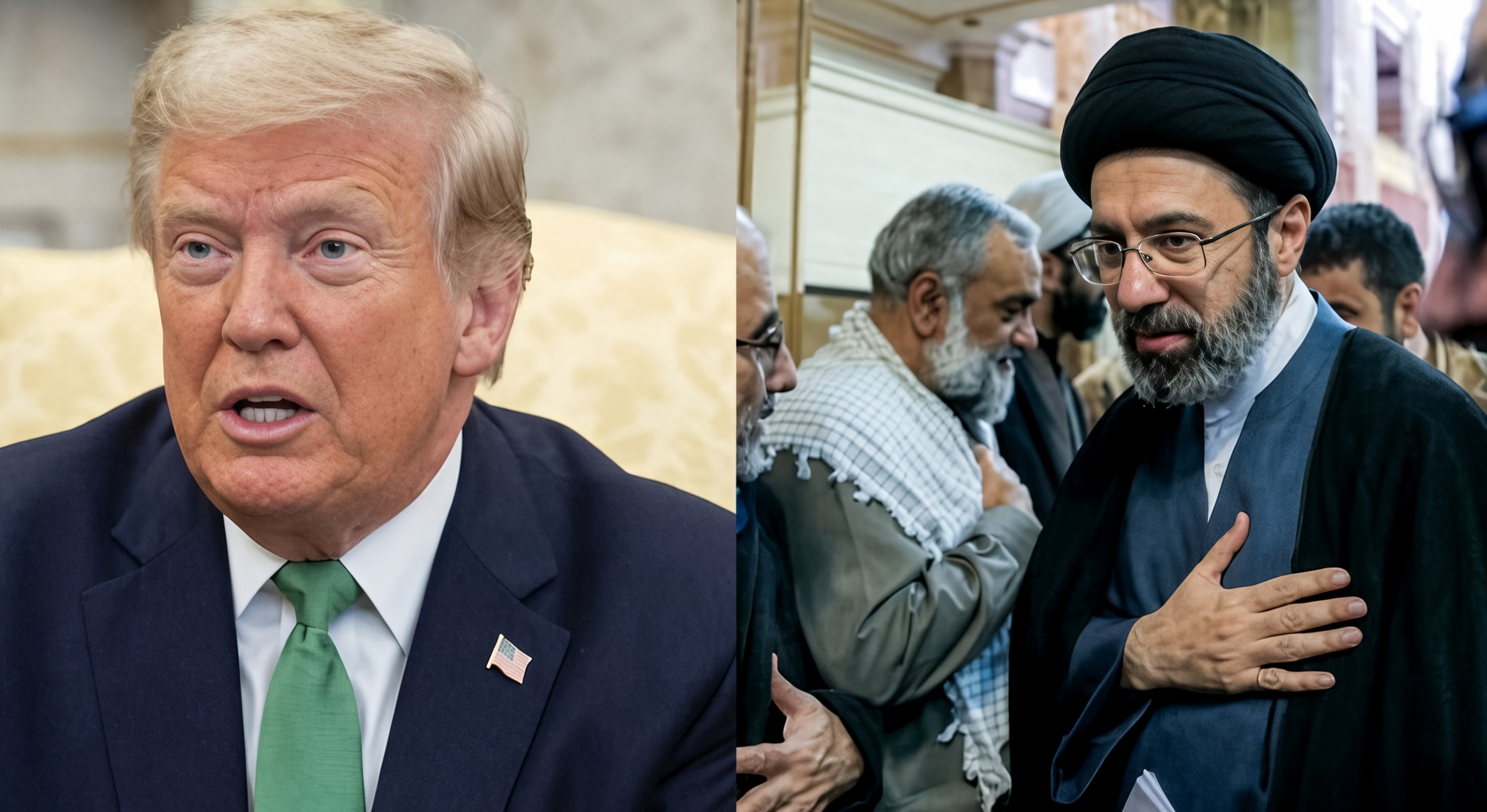
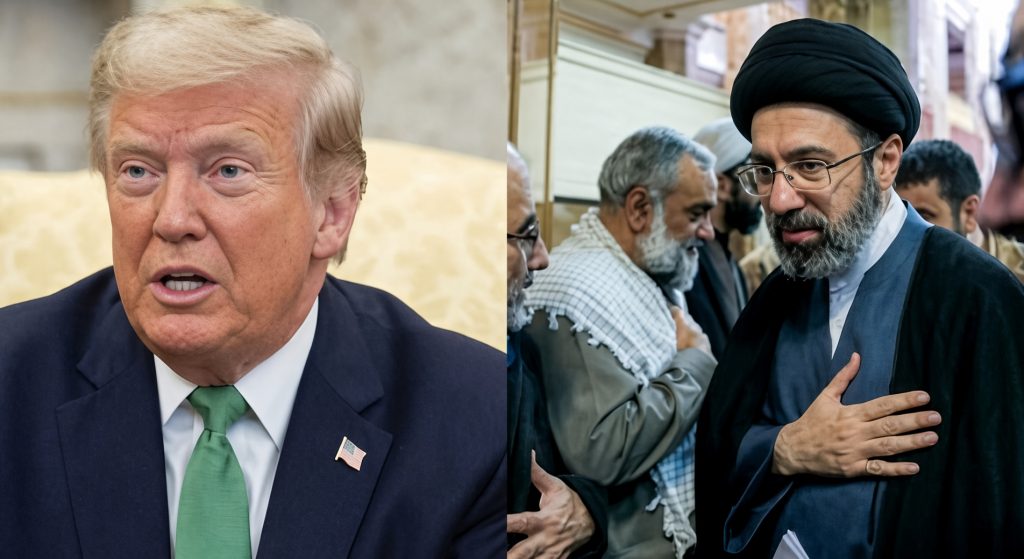
President Donald Trump said he believes the United States and Iran could reach an agreement within the next week to extend their current ceasefire and reopen the strategically important Strait of Hormuz, expressing optimism despite unresolved issues in the negotiations.
“Looking good, looking good,” Trump said, acknowledging a recent “glitch” in the talks that he attributed to tensions surrounding Israeli military operations in Lebanon.
Trump claimed he intervened directly to ease tensions between Israel and Hezbollah, saying he urged both sides to stop firing.
“So, I spoke with Hezbollah, and I said no shooting, and I talked to Bibi [Israeli Prime Minister Benjamin Netanyahu], and said, no shooting, and they both stopped shooting each other,” Trump said.
The president also argued that diplomacy could produce a more favorable outcome than continued fighting, declaring that “a peace agreement with Iran could be even better than a military victory.”
Negotiations Advance Despite Remaining Obstacles
Trump cautioned that reaching a final agreement would not be easy, citing decades of hostility between Washington and Tehran. Nevertheless, he maintained that negotiations were progressing and that the United States was working to secure its objectives.
Asked when a memorandum of understanding to reopen the Strait of Hormuz could be finalized, Trump suggested the process could move forward within a relatively short period.
The president acknowledged that several issues remained unresolved. “I still have to get a few more points,” he said.
In subsequent social media remarks, Trump indicated that negotiations had not broken down, describing discussions with Iran as “continuing” at a “rapid pace.”
His comments offered a cautiously optimistic assessment of the diplomatic process, although no finalized agreement was announced.
Trump Claims Role in Easing Israel-Hezbollah Tensions
Trump also used social media to highlight what he described as his personal efforts to prevent further escalation between Israel and Hezbollah.
According to the president, he spoke directly with Netanyahu and obtained assurances that Israel would not send troops into Beirut. His comments came amid reports of renewed Israeli military activity and concerns about the potential expansion of fighting in Lebanon.
Trump further claimed that Hezbollah had agreed to halt attacks on Israel following discussions conducted through intermediaries.
The claims form part of a broader diplomatic effort to reduce regional hostilities while negotiations over Iran continue. However, the precise terms of any understandings involving Israel and Hezbollah, as well as their implementation, would need to be confirmed independently.
Strait of Hormuz Remains Central to Negotiations
The diplomatic discussions carry significant economic and strategic implications because of the Strait of Hormuz, a critical maritime passage connecting the Persian Gulf with international shipping routes.
A substantial share of global seaborne oil exports passes through the narrow waterway, making its accessibility important to energy markets and international trade.
Restrictions or disruptions in the strait can increase uncertainty for shipping companies, energy producers and governments that depend on reliable oil supplies. Reopening the route and establishing a durable ceasefire could therefore have consequences extending well beyond the immediate conflict.
Earlier reports that Iran had suspended communications raised concerns about the future of negotiations. Trump’s latest remarks, however, suggested that diplomatic contacts were continuing.
Broader Peace Deal Remains Uncertain
The immediate challenge for Washington and Tehran is whether they can resolve their remaining disagreements and translate the ceasefire into a more durable arrangement.
Trump’s proposed timeline suggests the administration hopes to make progress quickly, but his comments do not establish that a deal is imminent or guaranteed. Key questions remain over the agreement’s terms, enforcement and the commitments each side would be expected to make.
For now, the president is signaling confidence that negotiations can produce results within days. Whether that optimism leads to an agreement to reopen the Strait of Hormuz and extend the ceasefire will depend on the outcome of the continuing talks.