False Claims of Shooting Involving Trump Spread Online, Raising Concerns About Political Misinformation
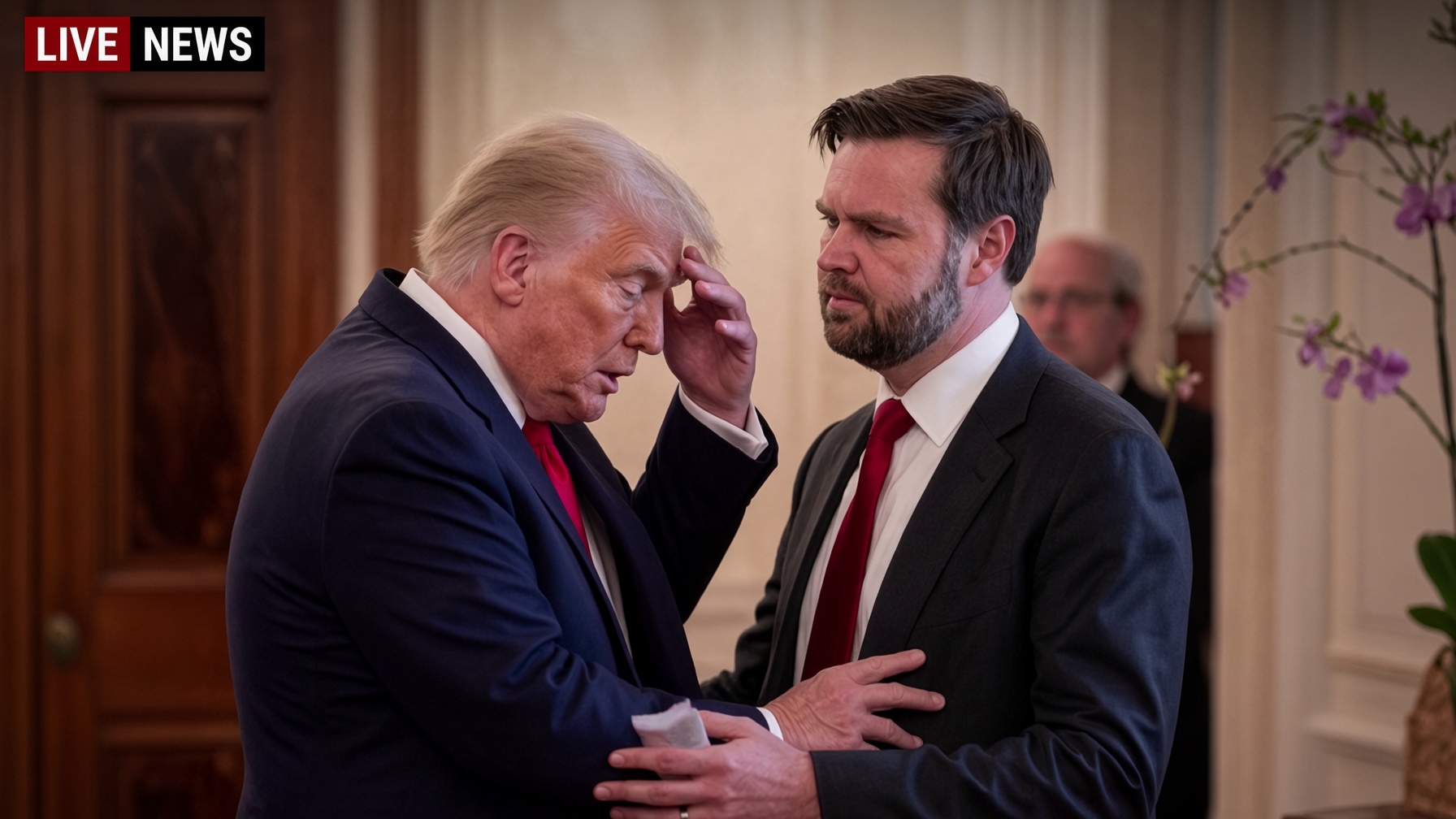
Unverified social media posts claiming that President Donald Trump had been shot in Washington, D.C., have highlighted the speed at which false breaking-news reports can spread across digital platforms.
The posts reportedly described a shooting near the president’s motorcade, presenting the allegations as a developing emergency. However, the supplied account says no credible confirmation of such an attack was found in official law enforcement statements, White House communications or reports from established news organizations.
Without independently verified evidence, the claims should not be treated as factual. The episode illustrates the importance of confirming reports involving the president through reliable sources before sharing them.
How the Rumor Gained Attention
The circulating posts reportedly used urgent headlines and language suggesting that the alleged shooting had happened moments earlier. Some were said to include footage of emergency lights, traffic congestion and police activity presented as evidence of an unfolding attack.
Such material can be misleading when it lacks a verified time, location or connection to the event being claimed. Images and videos from unrelated incidents can also be recirculated to make an unsupported story appear credible.
Social media recommendation systems can amplify sensational content rapidly, allowing unverified claims to reach large audiences before reliable information becomes available.
The episode reinforces a broader challenge for journalists and the public: distinguishing genuine breaking news from fabricated reports designed to attract attention, generate engagement or create confusion.
Past Events Can Make False Reports Seem Plausible
The rumor also draws attention to the lasting public impact of the July 13, 2024, assassination attempt against Trump during a campaign rally in Butler, Pennsylvania.
During that confirmed attack, a gunman opened fire, grazing Trump’s ear. Rally attendee Corey Comperatore was killed, and two other people were seriously injured. The shooter, identified by the FBI as Thomas Matthew Crooks, was killed by a Secret Service counter-sniper.
Images from the incident received extensive international coverage and became widely recognizable.
Historical photographs and video clips from that attack can be misleading when reposted without context or falsely presented as evidence of a new incident. The same risk applies to footage from unrelated security operations around Washington.
Any material presented as proof of a recent attack should therefore be checked against its original publication date, location and source.
Why Verification Matters
Reports of violence involving a sitting president require particularly careful verification because inaccurate information can cause public alarm and complicate an already sensitive security environment.
Journalists and readers can assess such claims by checking official statements from the U.S. Secret Service, the White House and relevant local law enforcement agencies, alongside reporting from established news organizations.
Multiple posts repeating the same allegation do not constitute independent confirmation. Likewise, an image of police activity or an emergency vehicle does not establish that a shooting occurred.
A reliable assessment should distinguish between confirmed facts, preliminary reports and claims that remain unsupported.
The Broader Challenge of Digital Misinformation
The spread of false breaking-news claims reflects a wider problem across social media: dramatic allegations can circulate widely before they are checked, while later corrections may receive less attention.
This can undermine public trust, distort perceptions of current events and encourage users to share information based on emotion rather than evidence.
Readers can help limit the spread of misinformation by checking the original source, looking for independent confirmation, examining the date and context of images, and avoiding reposting claims that have not been verified.
What Is Confirmed—and What Is Not
The supplied account describes the shooting allegation as false, but its specific assertions about federal records, emergency dispatches and official confirmations should be supported by identifiable sources before publication.
The central distinction is clear: a viral allegation is not proof that an event occurred. Until reliable evidence establishes the facts, claims of a shooting involving Trump should be treated as unverified rather than reported as confirmed news.
In a fast-moving information environment, accuracy depends not on how quickly a claim spreads, but on whether credible evidence supports it.